Adding tropical colors: Hawaiian Ti plant (Cordyline fruticosa)
12 February 2016 · 4 min read · by Alex Mielnikau · updated 13 November 2022

Tropical plants are all about shape, size and color manifested in a way we seldom see in more modest temperate climate plants. One way to stand out among all lush greenery of tropical vegetation is to get yourself brightly colored foliage. Some plants are naturally good at it; ot
Tropical plants are all about shape, size and color manifested in a way we seldom see in more modest temperate climate plants. One way to stand out among all lush greenery of tropical vegetation is to get yourself brightly colored foliage. Some plants are naturally good at it; others are results of human helping touch.
My today’s topic has a long lasting relationship with humans – Hawaiian Ti plant, scientific name Cordyline fruticosa or Cordyline terminalis. Today we mainly grow them for their leaves, which can give an exotic splash of color to any garden, indoors or outdoors all year round. Long lanceolate leaves gathered on upper side of slender trunks are coming in many colors: green, brown, lilac, red, pink, orange and often as mixed splashes of all these colors separated by white stripes of variegation.
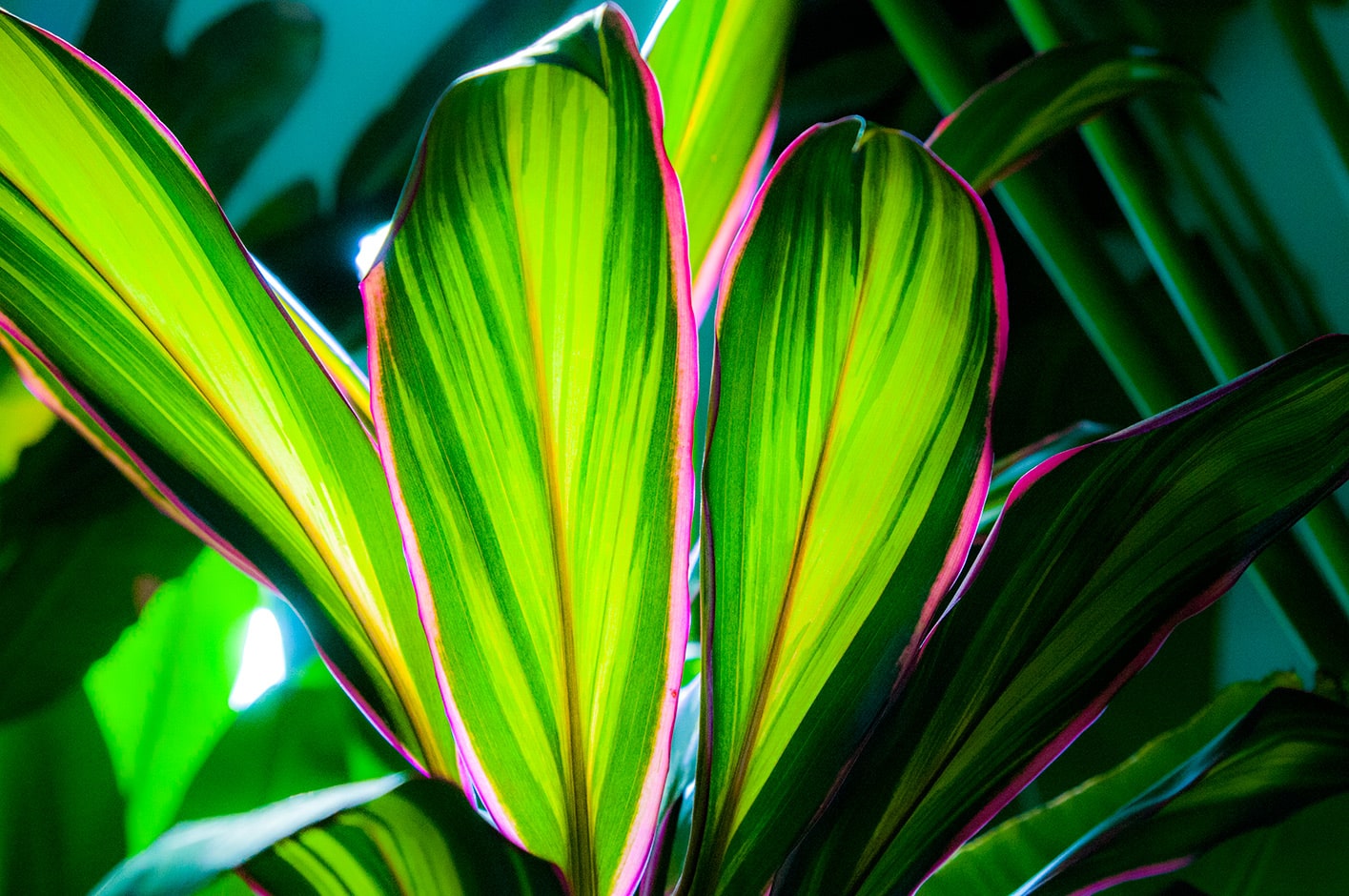
Cordyline fruticosa ‘Kiwi’
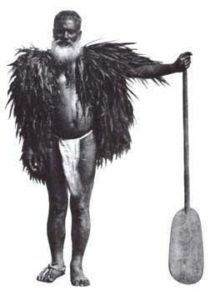
 Ti plant is not originated on Hawai’I, but was brought there by Polynesian settlers together with other precious resources and possessions they had on their list of things to bring on a long voyage across Pacific. For early Hawaiians it was a plant of many uses and values. It was a symbol of status and prosperity. Ti plants were planted on one’s lands’ boundaries. Therefore, one of its Latin names – Cordyline terminalis. Priests were using it in ceremonies and God offerings. Sweet roots were cooked as dessert. Boiled leaves and young shoots were used as medicine. The only one Hawaiian alcoholic drink ‘Okolehao was and still is made on Ti plant’s roots. Its leaves were used for roof thatching and for a range of islanders’ fashion items. Here you can learn how to make your own rain cape, called kui la’i.
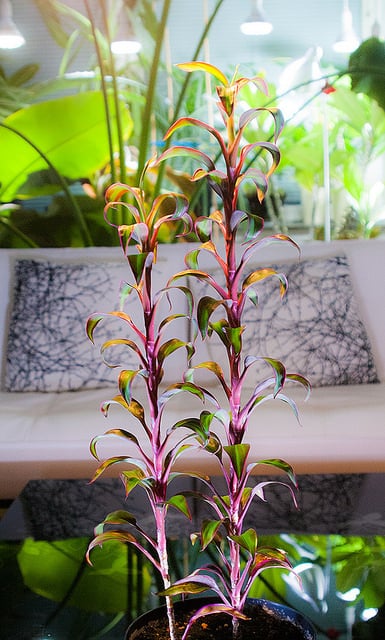
I’ve been growing Ti plants for just about one year. They quickly became one of favorites in my indoors tropical garden. My first acquisition were two tiny young plants with just a few short leaves and under 3cm (about 1”) high. Now one year later they still have very short leaves, which showed to be a trait of this particular cultivar, but they shoot up to about 1m (3.3’) high with almost entire stalk keeping leaves (photo down to the left).
 My second Cordyline fruticosa is a more traditional looking cultivar ‘Kiwi’ (photo above) with large emerald green leaves and variegated white-yellow stripes and broad pink bands on the edges. It’s a strong grower too, unfolding a new leave about every week, but it doesn’t get as tall as fast.
So what to do when they do get too tall? You just cut it down as low as you want to (leave at least a few nodes above the ground) and 2-3 new shoots will develop under the cut and you get a new start with a denser plant.
As for the top, you can plant it in a new potter. Or you can cut it further into small chunks 5-6cm (about 2”) long and plant each of them. And that is how easy you can start your own Hawaiian Ti plant. If you like me, love bringing plants as souvenirs from your trips and your phytosanitary regulations are ok with that, those chunks are like made for this. They are easily shipped as well.
Some recommend to plant chunks horizontally to get more shoots. I would say you can as well stick it upright, half way buried into the soil. Water it and leave it in a warm, bright spot to watch it doing its magic.
Make your own easy potting mix by adding 20-30% perlite to your regular soil. Like most tropical plants Codylines love good drainage and light soil retaining right amount of water. Perlite will make sure of it.
Half bright place will be right for Ti plant, i.e. light east or west facing window, avoiding direct sun light around the noon. If your winter days are too dark a bright LED-lamp will help keeping colors of your Ti.
Water whenever the upper soil is getting drier, without letting it get too dry. Water until you see it just starting coming into the pot tray. Never let it stand in water so. Daily misting will do it good just like to other your tropical plants.
Feed it with balanced liquid fertilizer every second -third watering or top dress slow-release granules every second month.
Enjoy your Ti!
More info is provided in this pdf from College of Tropical Agriculture and Human Resources, University of Hawaii.
Buy Ti PlantsGet Cordyline fruticosa in our online shop-
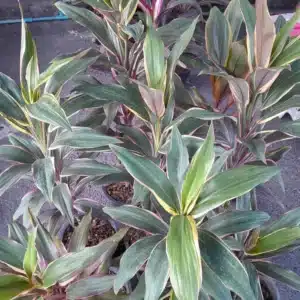 Cordyline fruticosa ‘Katrijn’ $12.00 Add to cart
 -
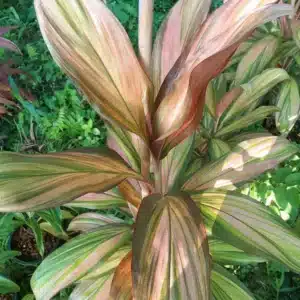 Cordyline fruticosa ‘Morning Sunshine’ $14.50 Add to cart
 -
 Cordyline fruticosa ‘New Guinea Fan’ $26.00 Add to cart
 -
 Cordyline fruticosa ‘Papeete’ $11.50 Add to cart
 -
 Cordyline fruticosa ‘Billion Diamond’ $26.00 Add to cart
 -
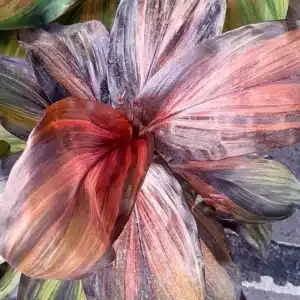 Cordyline fruticosa ‘Cherry Cordial’ $12.00 Add to cart
 -
 Cordyline fruticosa ‘Hilo Rainbow’ $12.00 Add to cart
 -
 Cordyline fruticosa ‘John Klass’ $8.50 Add to cart
 -
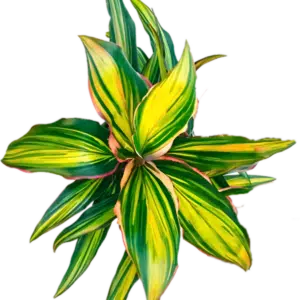 Cordyline fruticosa ‘Kiwi’ $5.90 Add to cart
Grow it yourself
Plants seen in this article — plus 220 more tropicals — are in the shop.


