Green houses of the world: Stockholm, Edvard Anderson Conservatory
10 March 2016 · 6 min read · by Alex Mielnikau · updated 25 October 2017

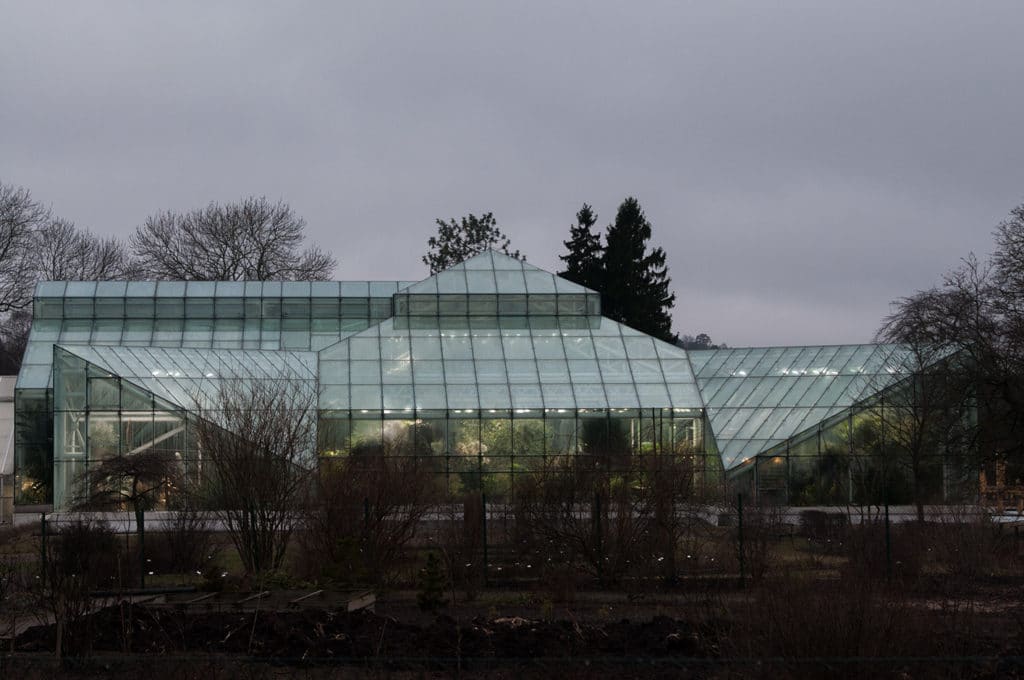
Not even many Stockholmers know about this great tropical destination in their vicinity. Edvard Anderson Conservatory is situated a bit outside of people’s daily routes, but it is still easily reachable by subway (station Universitet). From spring to fall, in good weather, one ca
Not even many Stockholmers know about this great tropical destination in their vicinity. Edvard Anderson Conservatory is situated a bit outside of people’s daily routes, but it is still easily reachable by subway (station Universitet). From spring to fall, in good weather, one can combine a visit here with a great stroll in Bergianska Botanical Garden. On a dull winter day it is well worth a visit of its own.
Edvard Anderson (1865-1936), made his fortune on sheet glass trade and was a big lover of Mediterranean. His last wish was to give the inhabitants of Stockholm a winter garden ”where the trees, shrubs and herbs of the Mediterranean and comparable climate regions” would be represented. There, he also wanted to have a small patisserie for serving “coffee, tea and soft drinks as well as chocolate and pastries.”
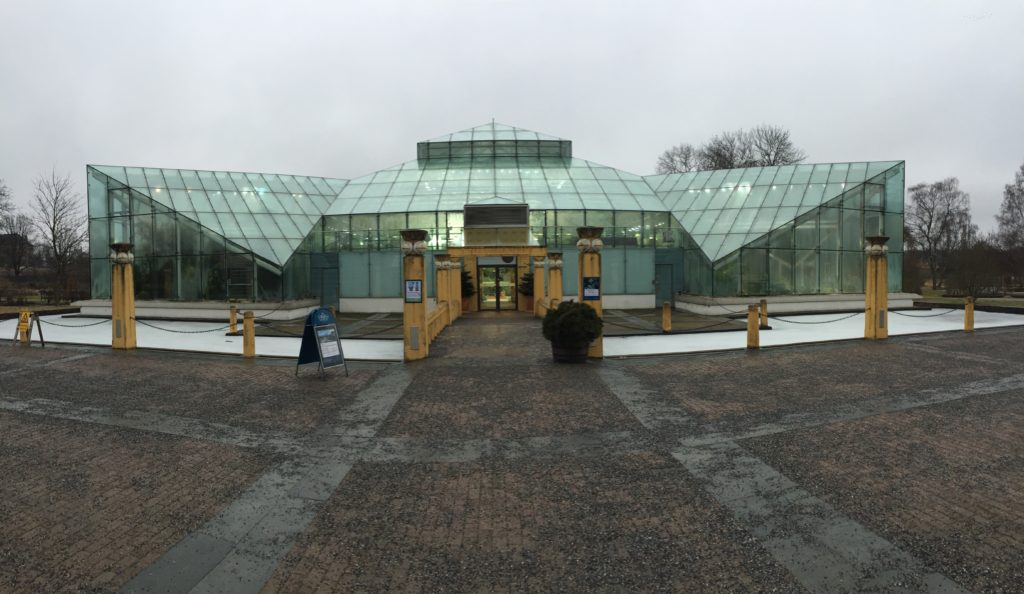
The current conservatory was opened 1995 and replaced “The Old Orangery”. Just like Edvard Anderson wished the main hall is Mediterranean with plants from that region and artifacts and landscapes creating an atmosphere of ancient Greece or Rome. Adjacent there are four corner-halls representing other parts of the world: South Africa, Australia, Californian desert and also a Fernery. Go through the main hall and you will enter my beloved tropics.
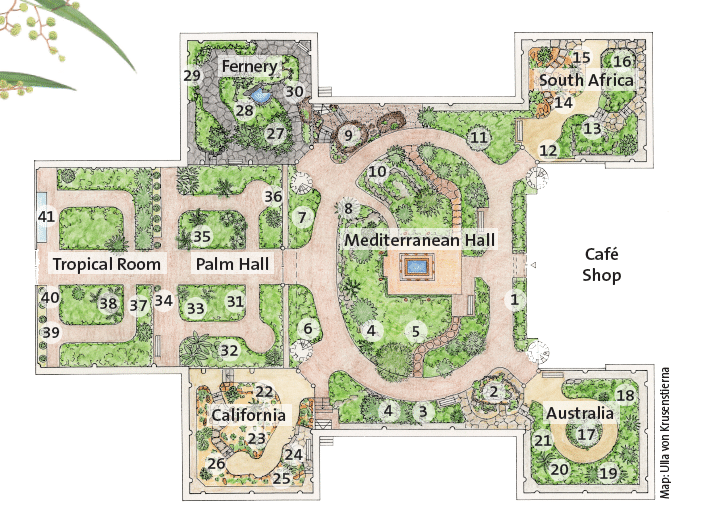
I’m not intended to document everything and show you every plant inside the conservatory. I just took photos of what made my brain to send a signal to lift camera and push the shutter. If you have a possibility, go to your own discovery here.
Mediterranean Hall
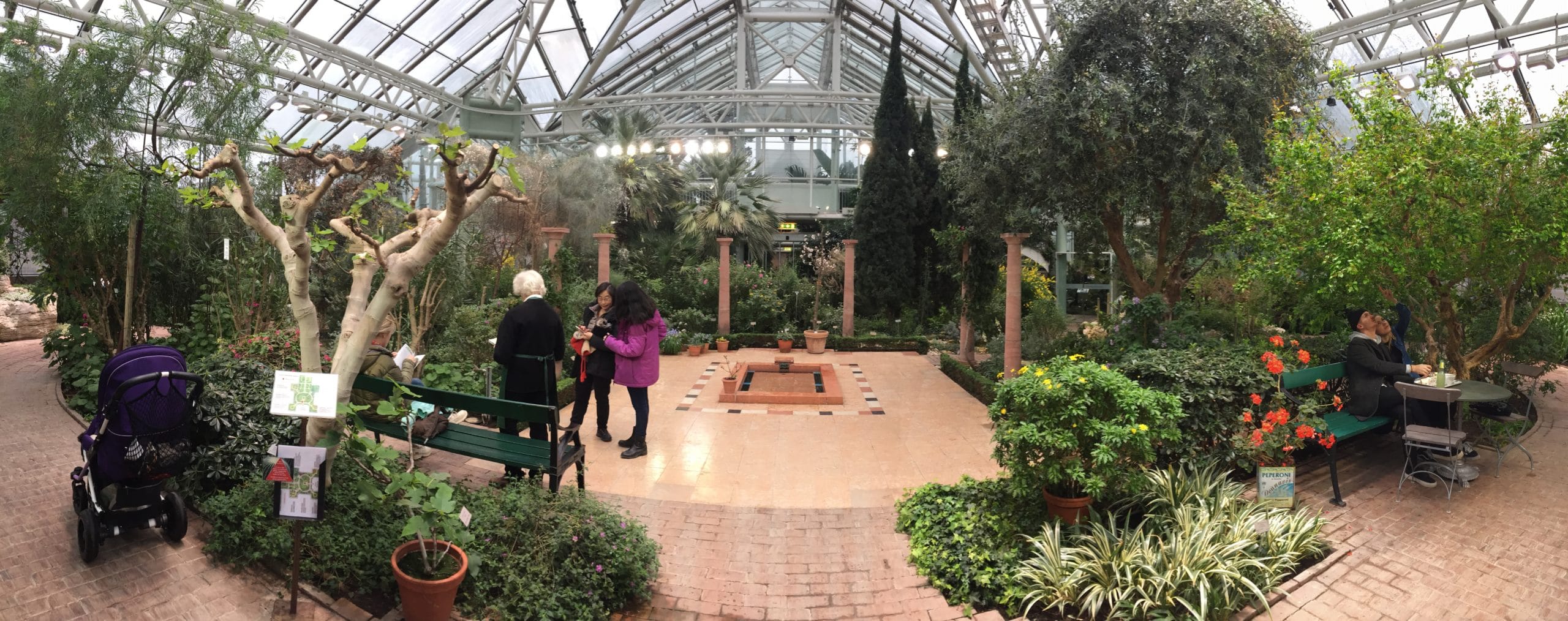
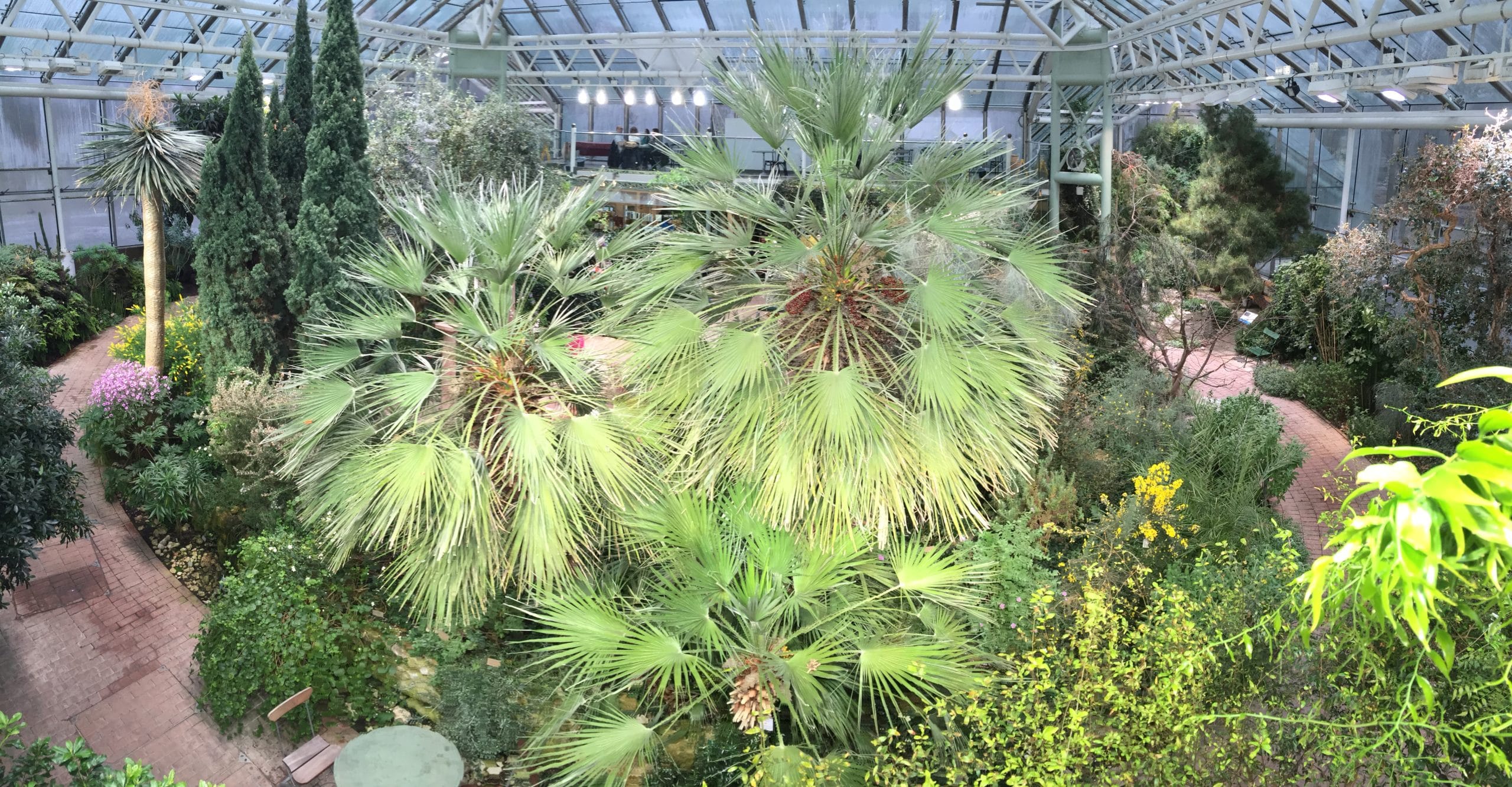
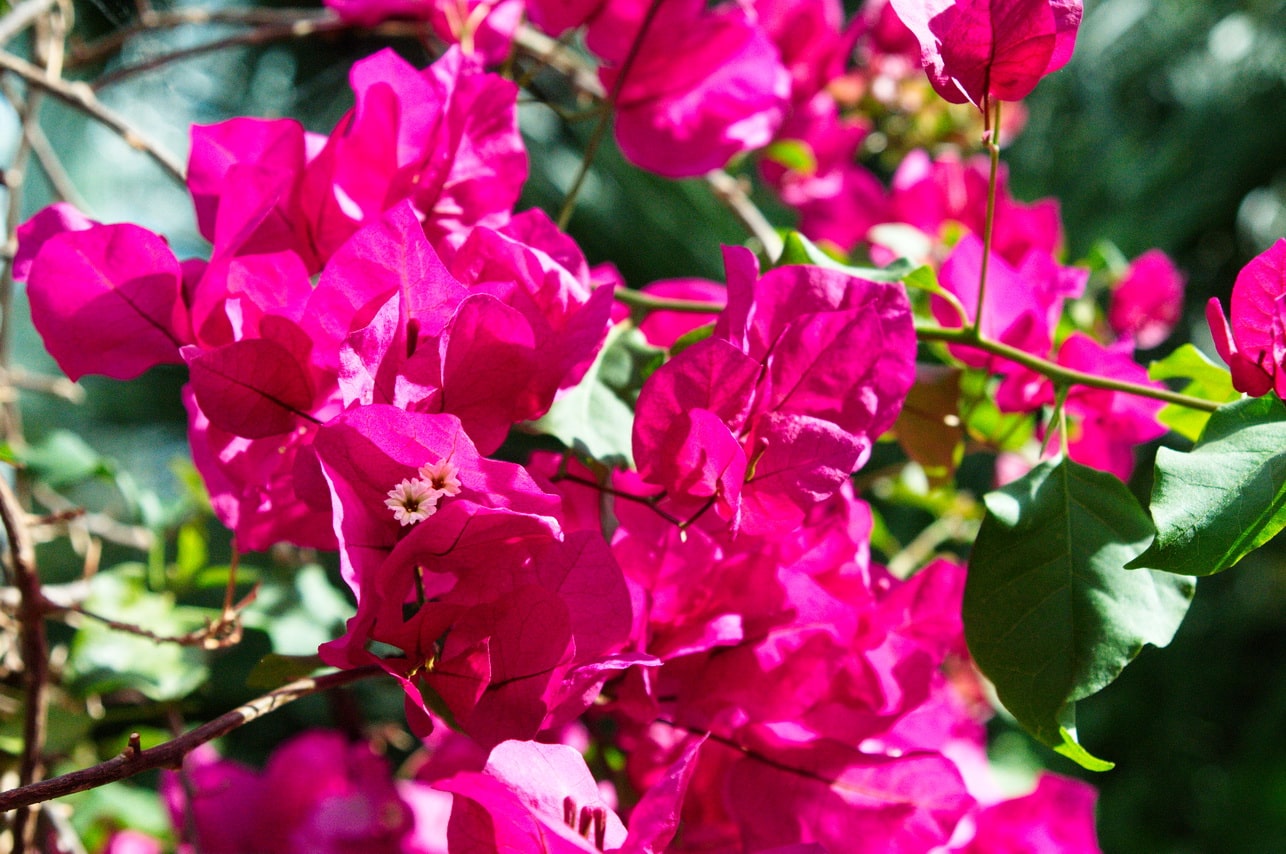
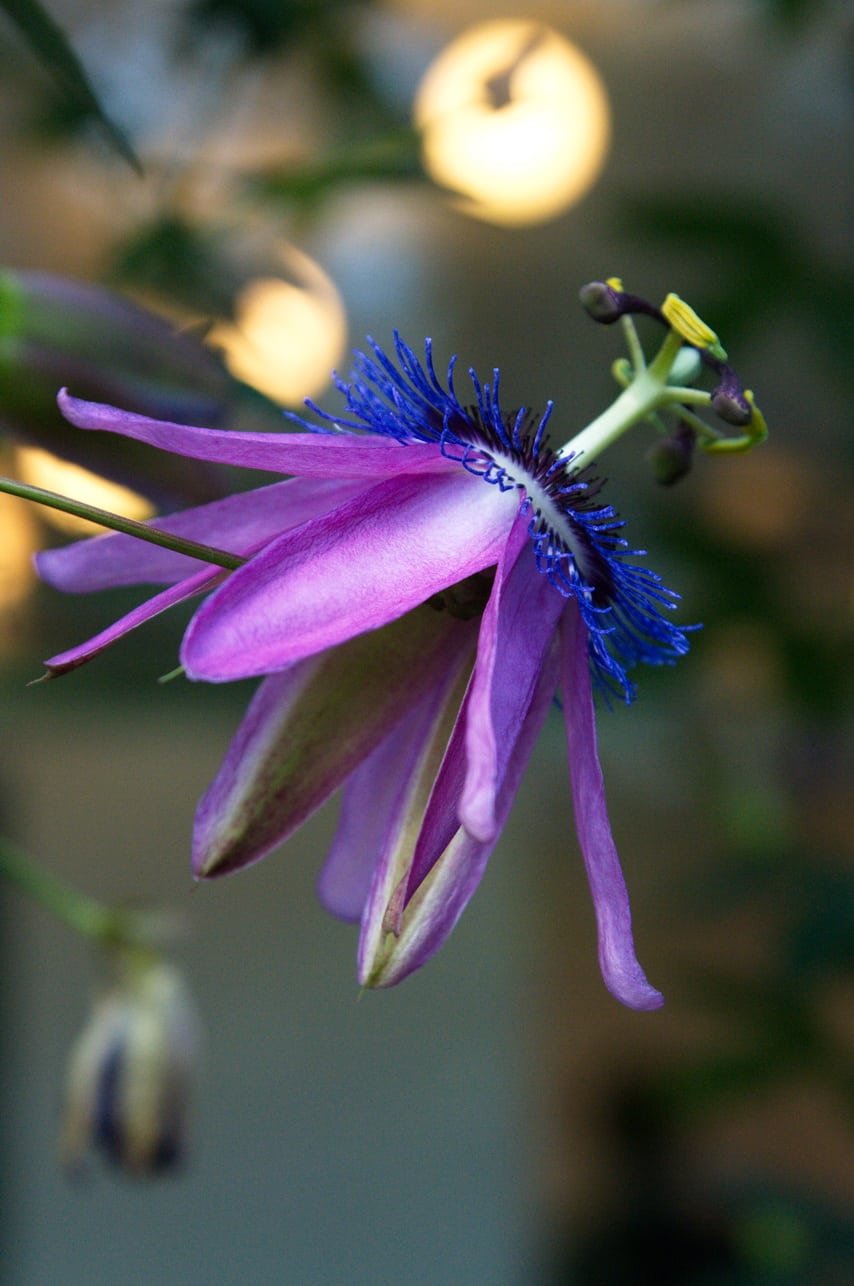
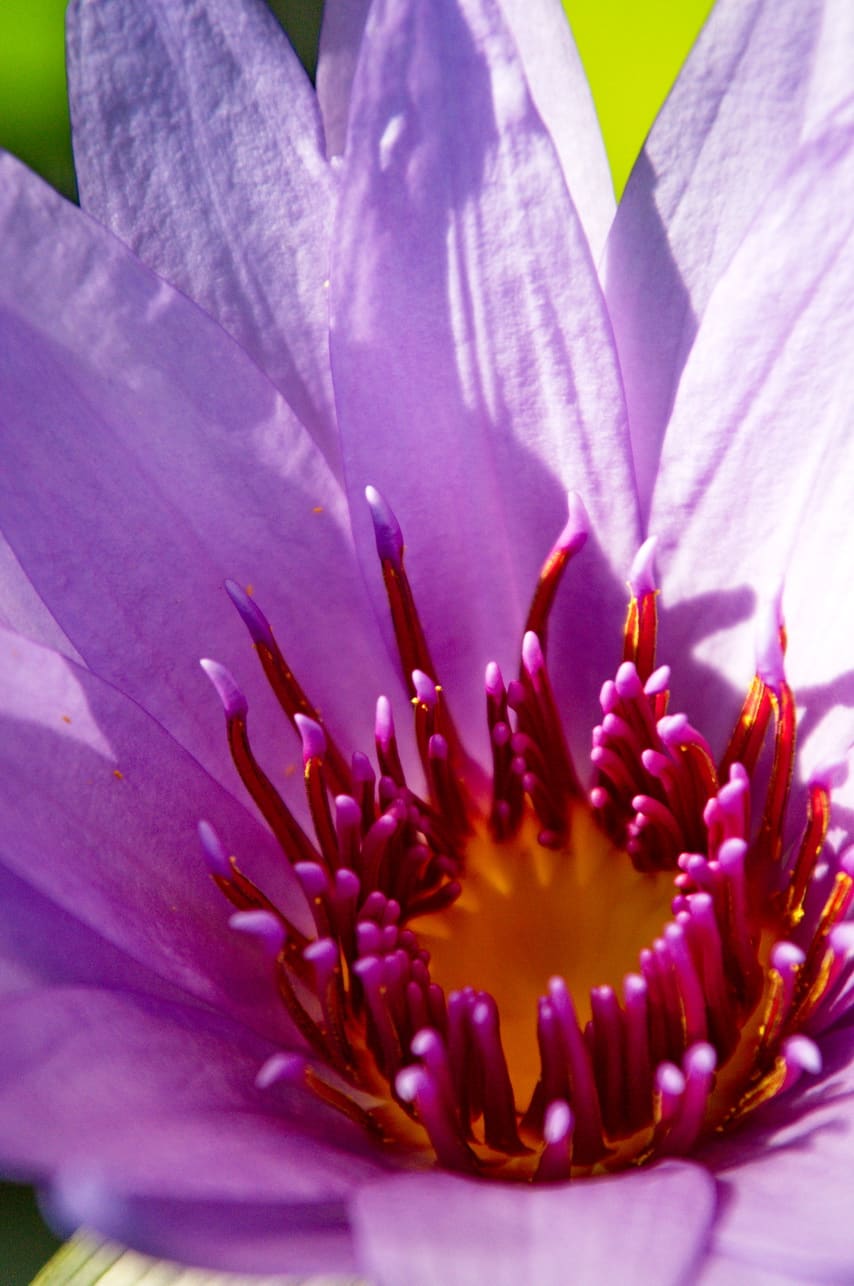
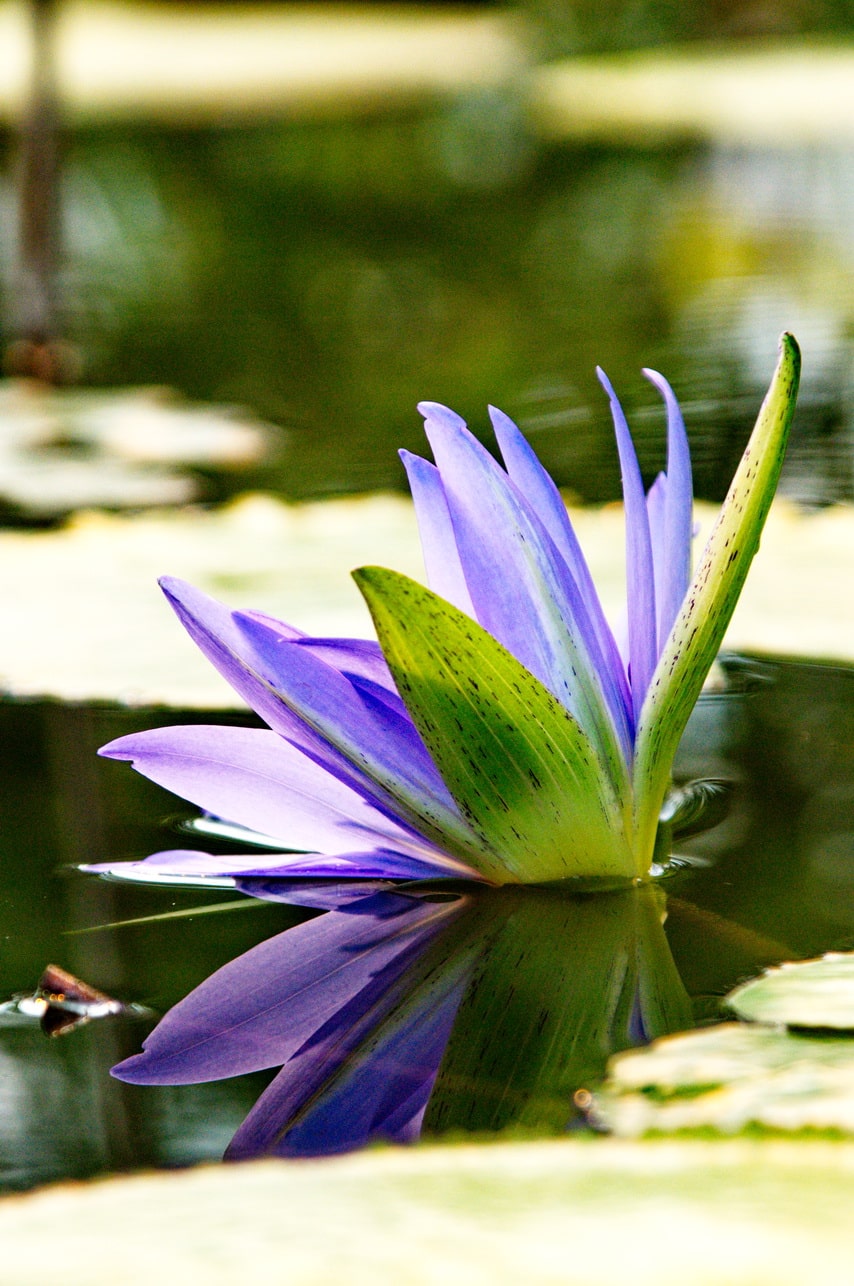
Buy a ticket (or a year card), go through a small cafe serving “coffee, tea and soft drinks as well as chocolate and pastries” and when you open glass doors, you instantly get hit by warm air, socked with amazing scents of many flowering plants. Take a minute and just stand there enjoying the light, greenery and that mixture of fragrances. Your senses will get used to it soon, so try to revel in it, while it’s still bombarding your brain’s reward system.
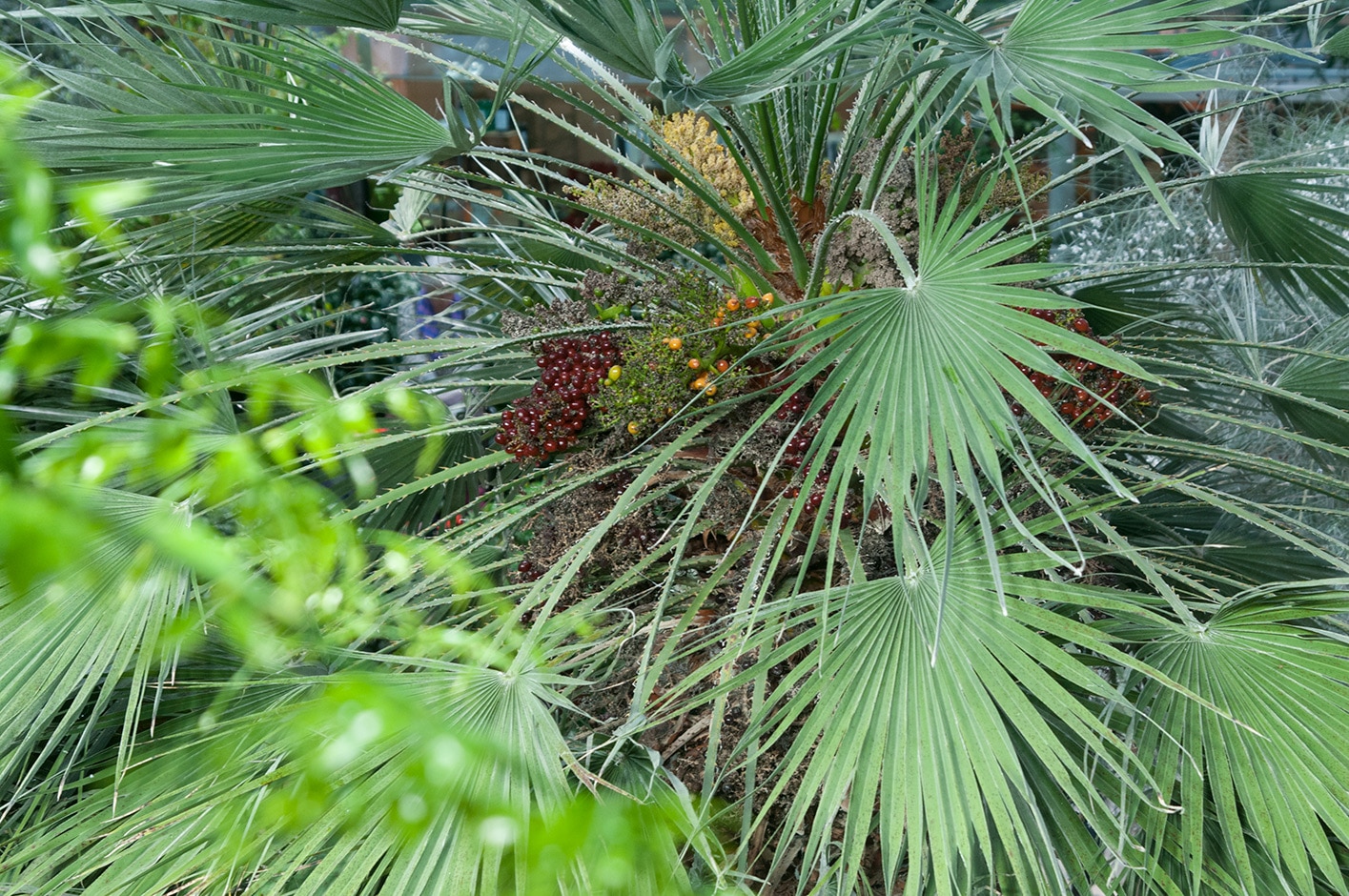
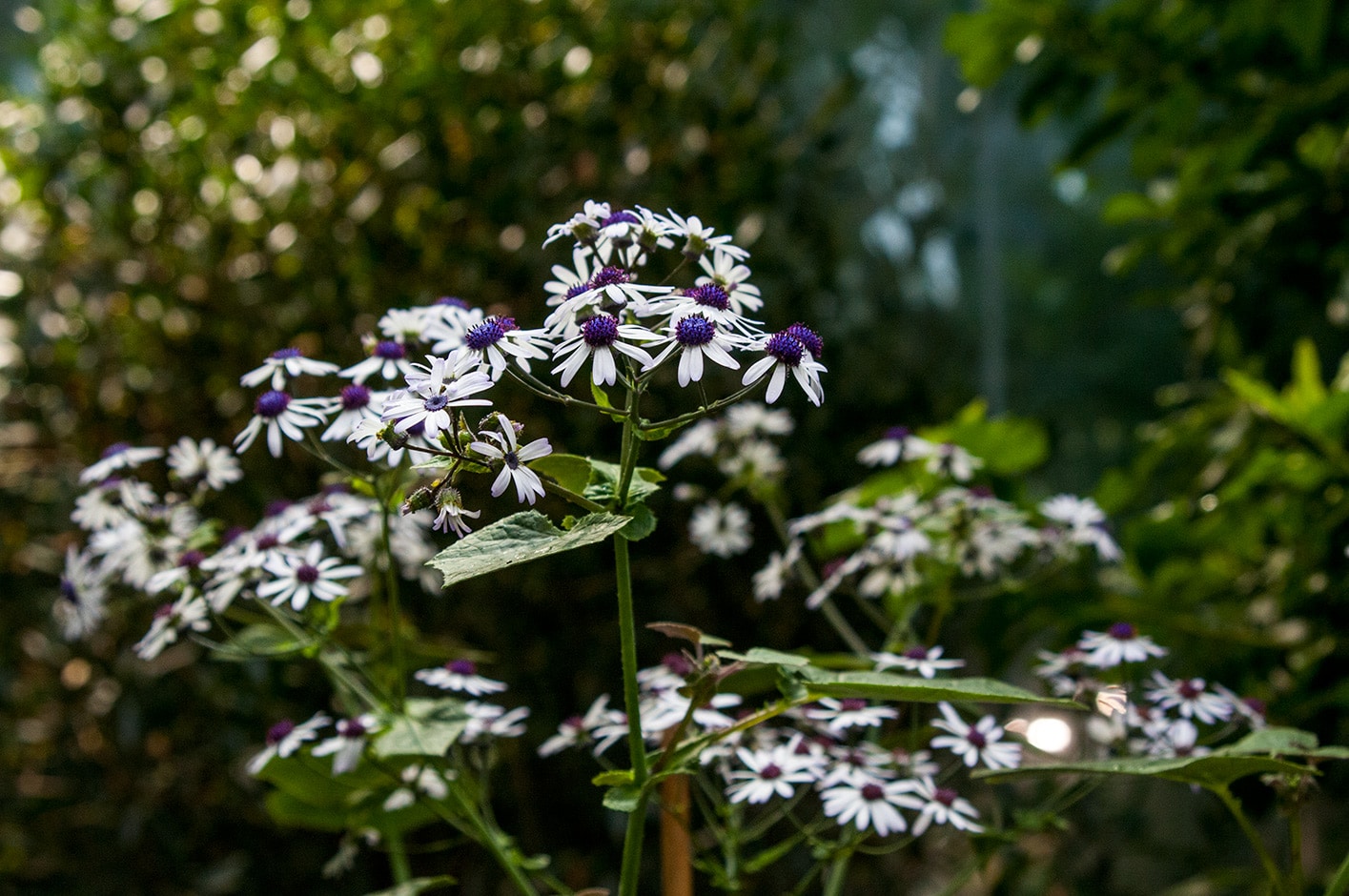
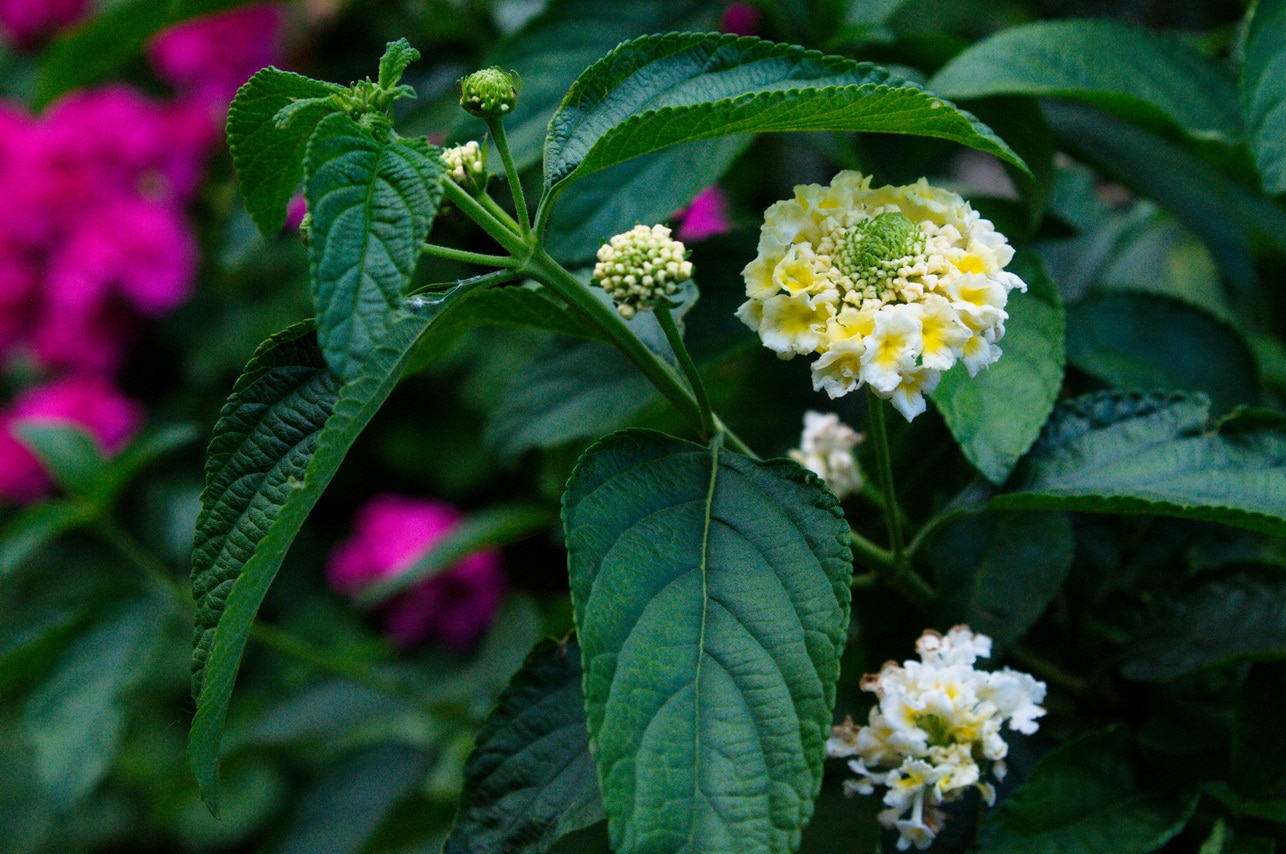
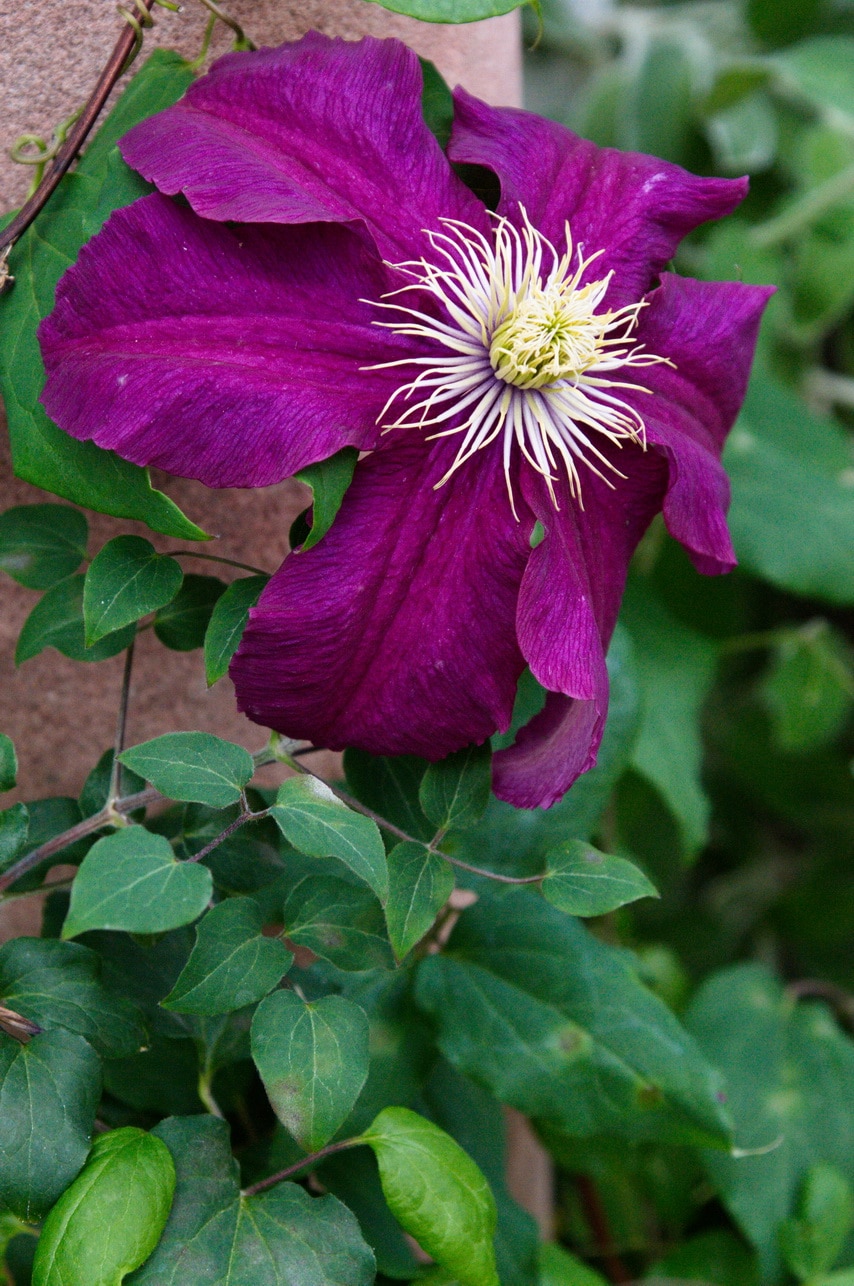

South Africa
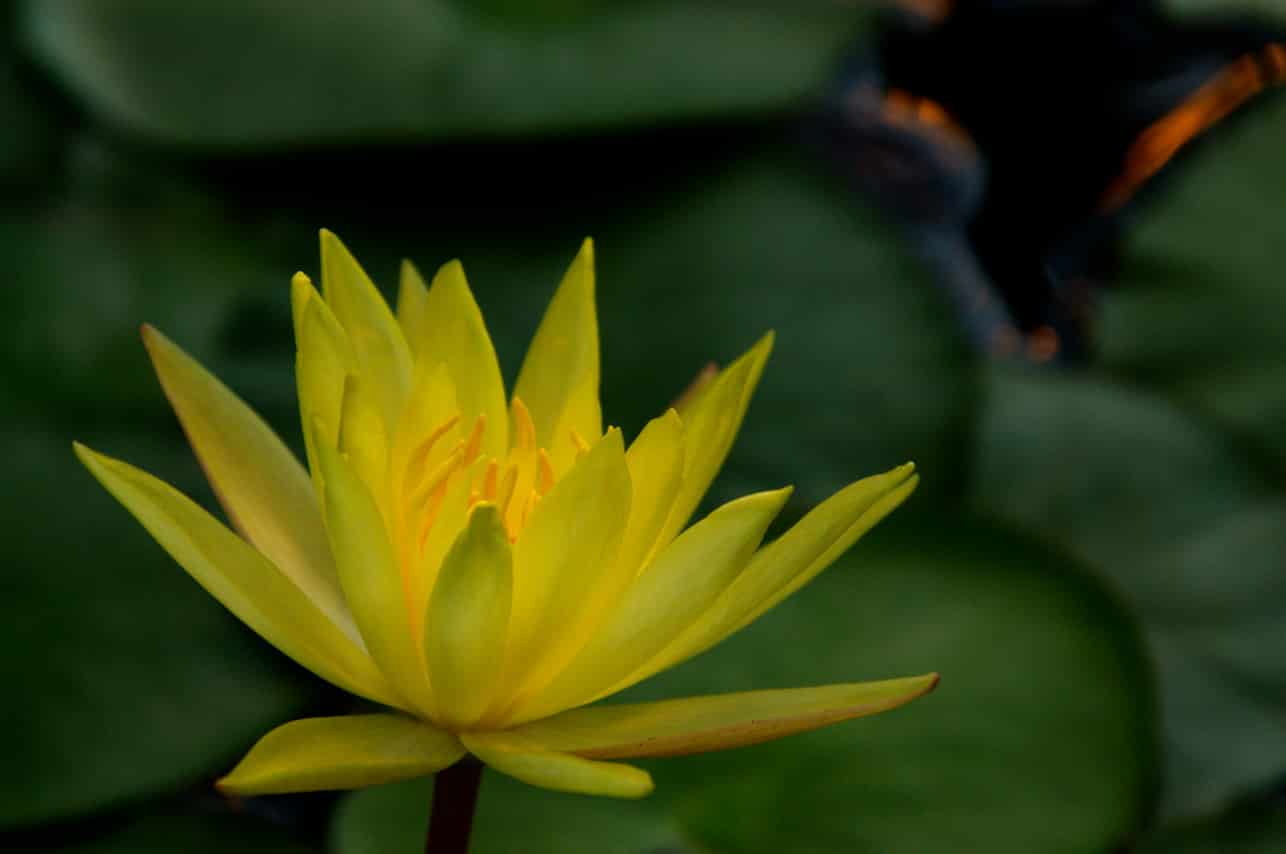
I always start my walk around the conservatory by enjoying the large cluster of Strelitzia reginae and it’s always flowering profusely this time of the year with many orange, bird-shaped flower heads. Orange seems to be the color of South Africa, judging even by other native flora.


Fernery
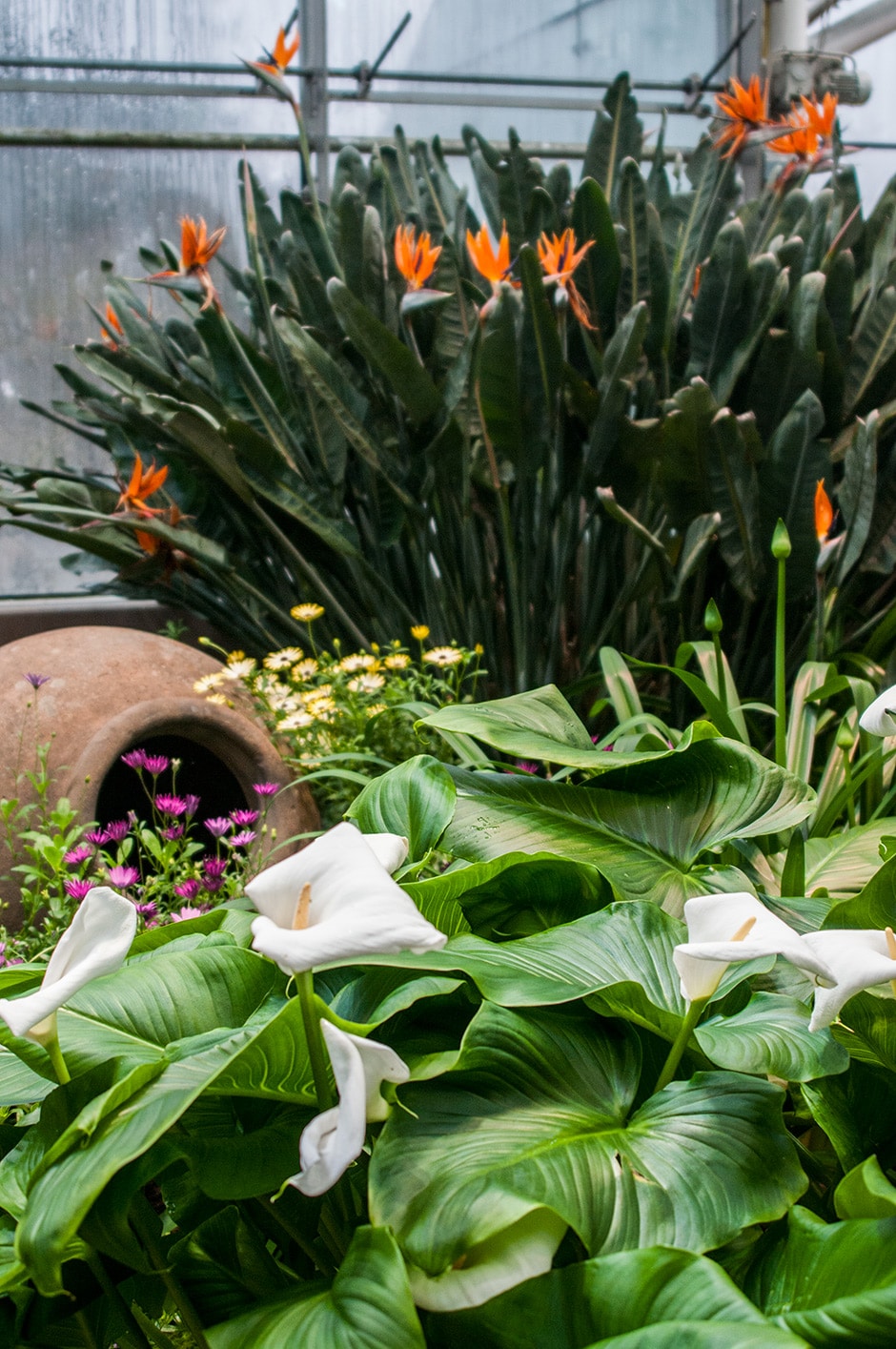
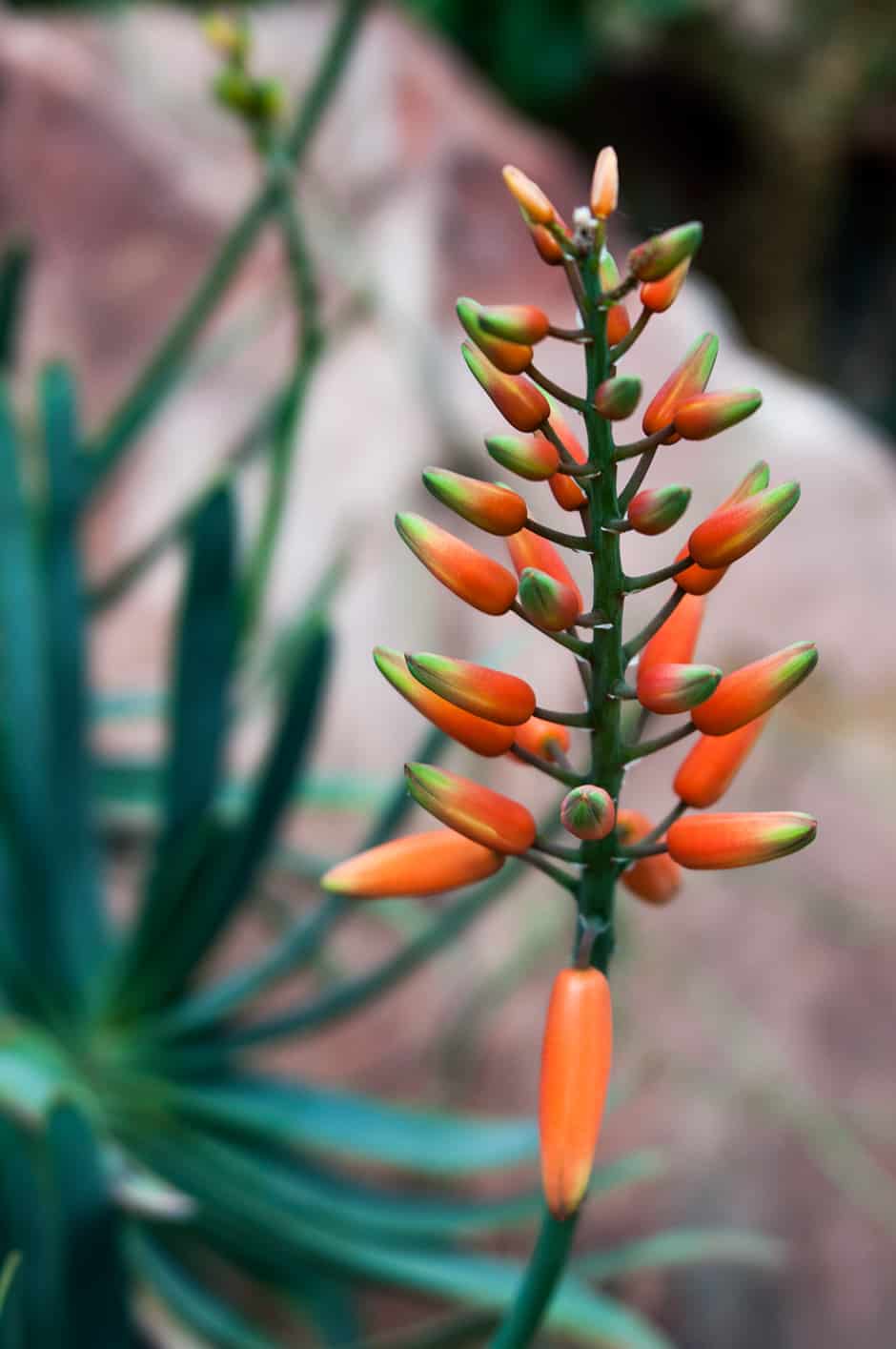
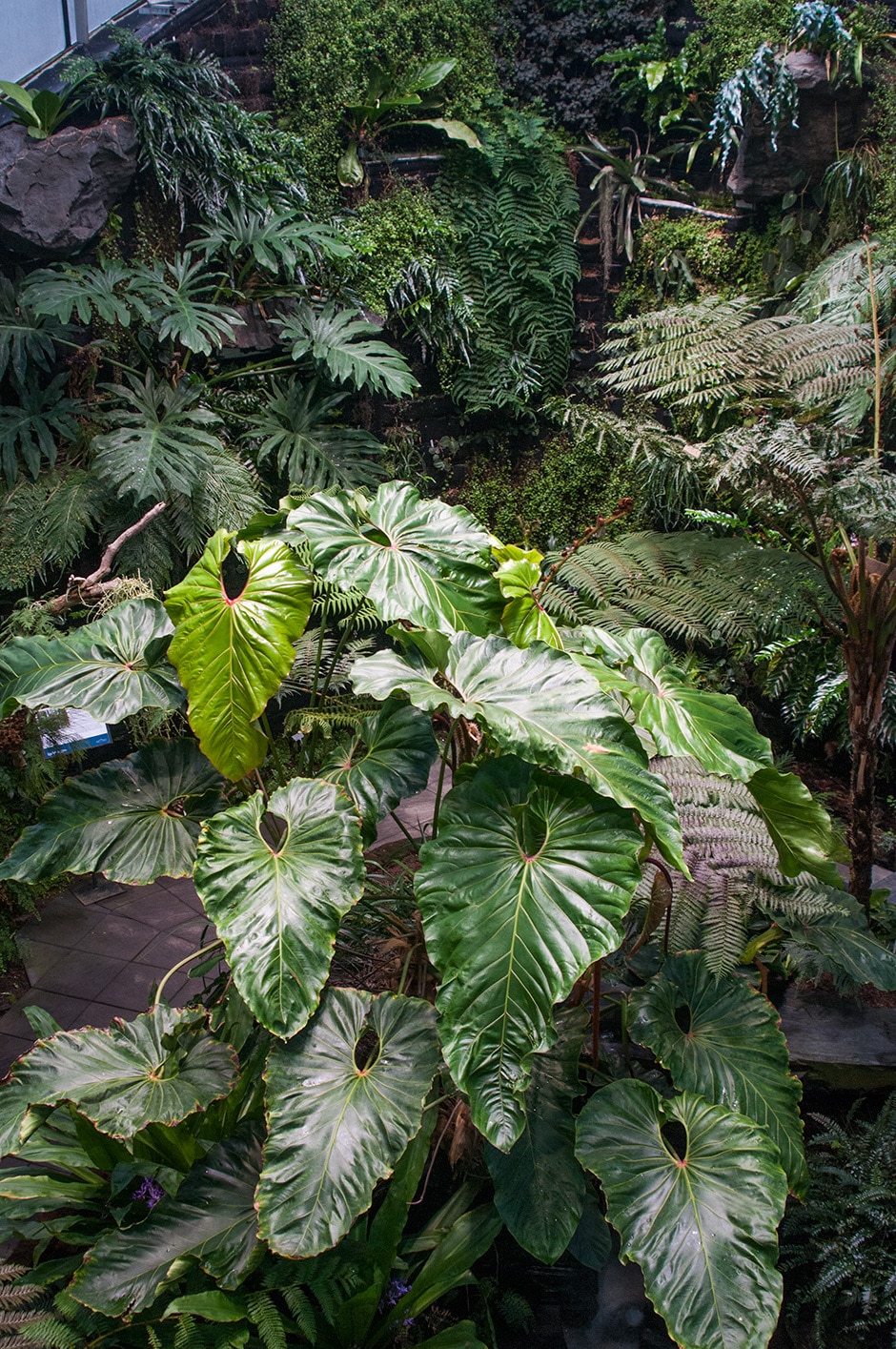
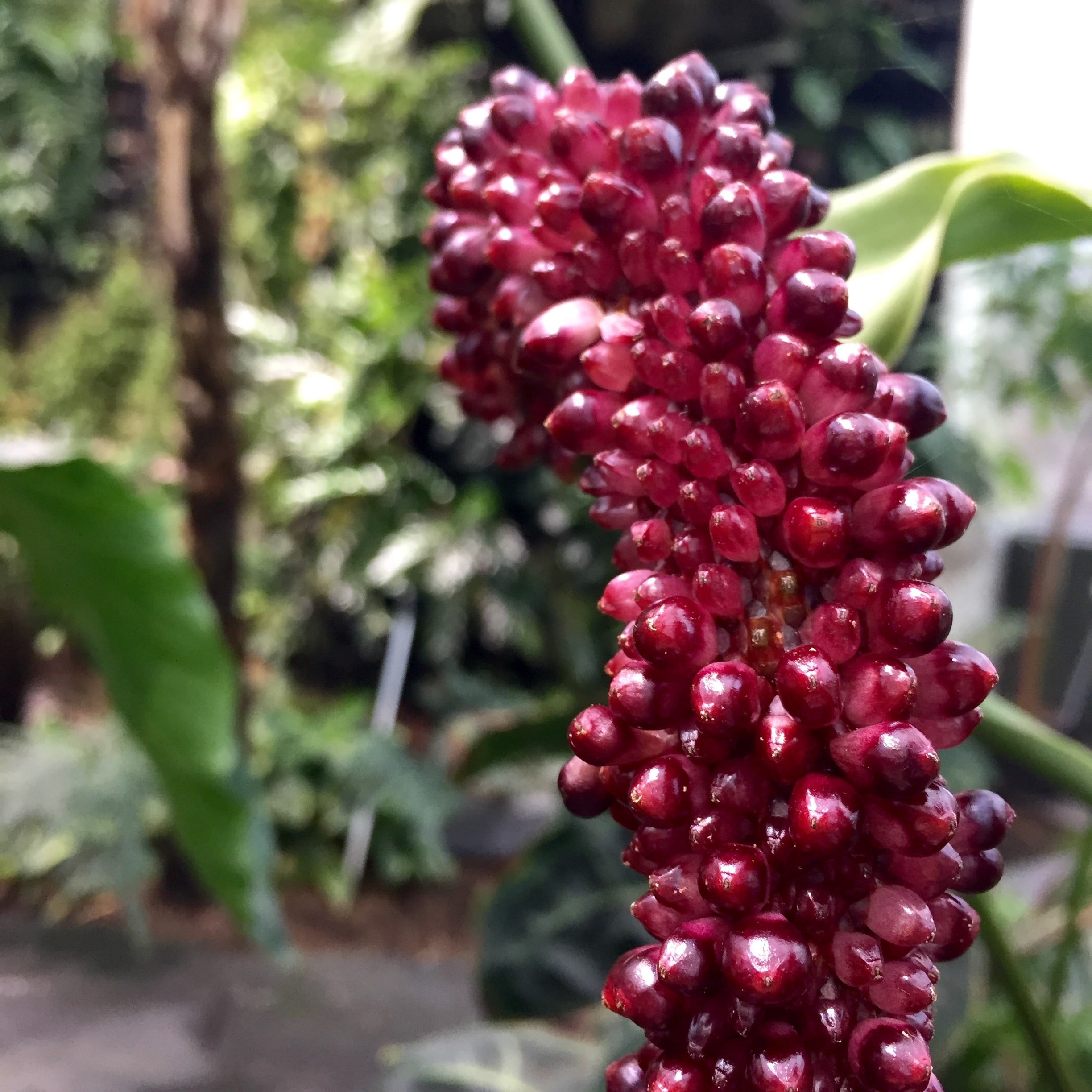
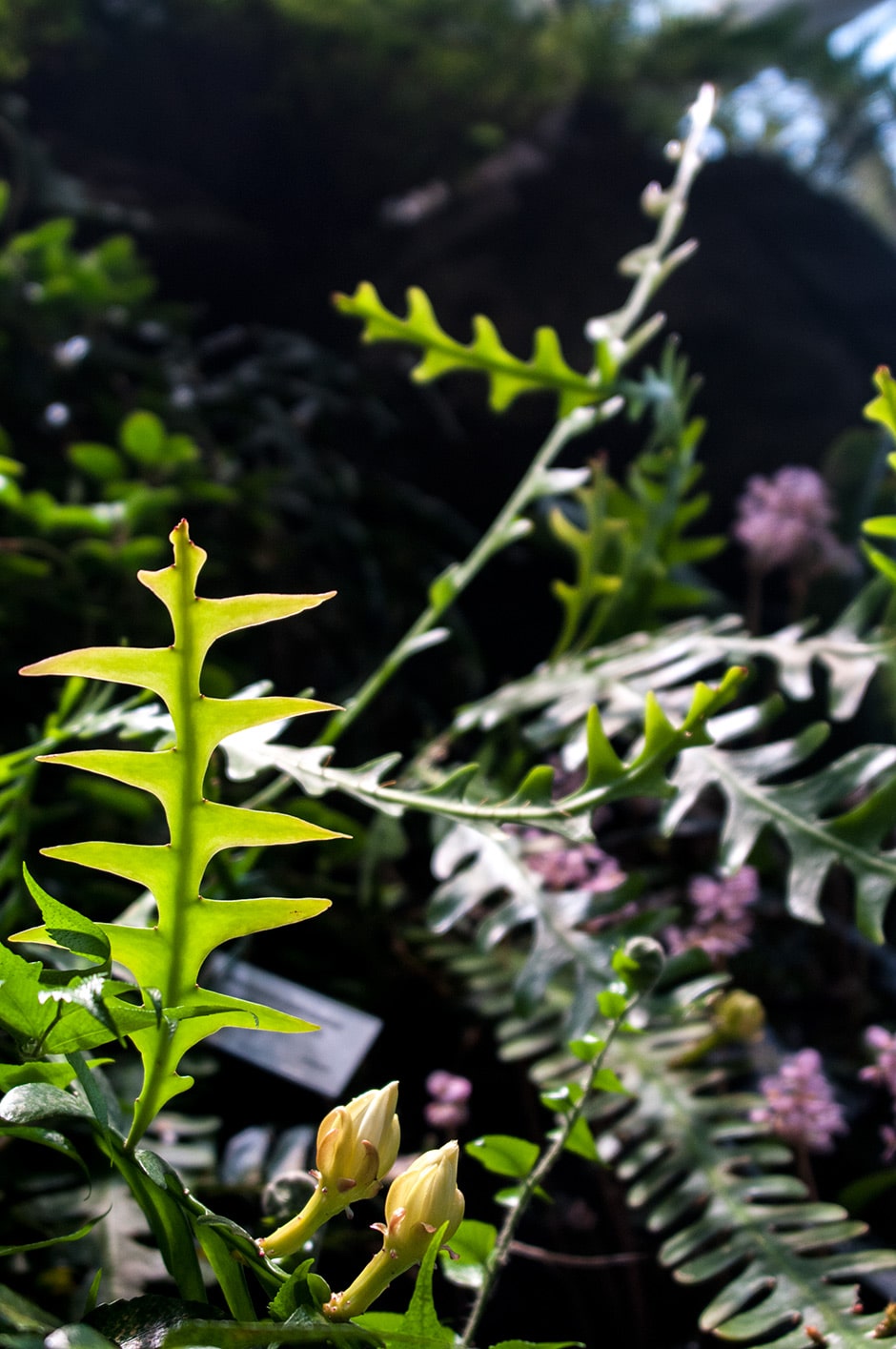
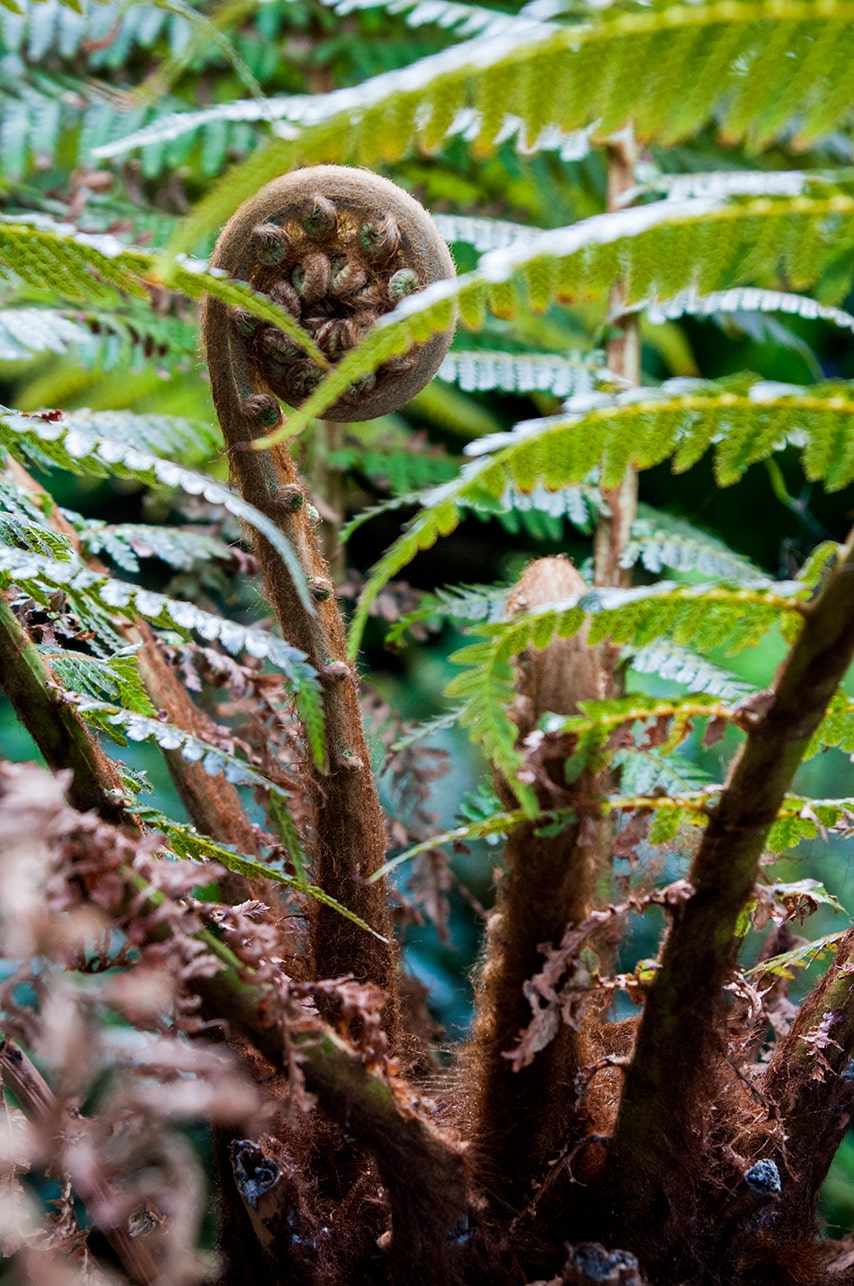
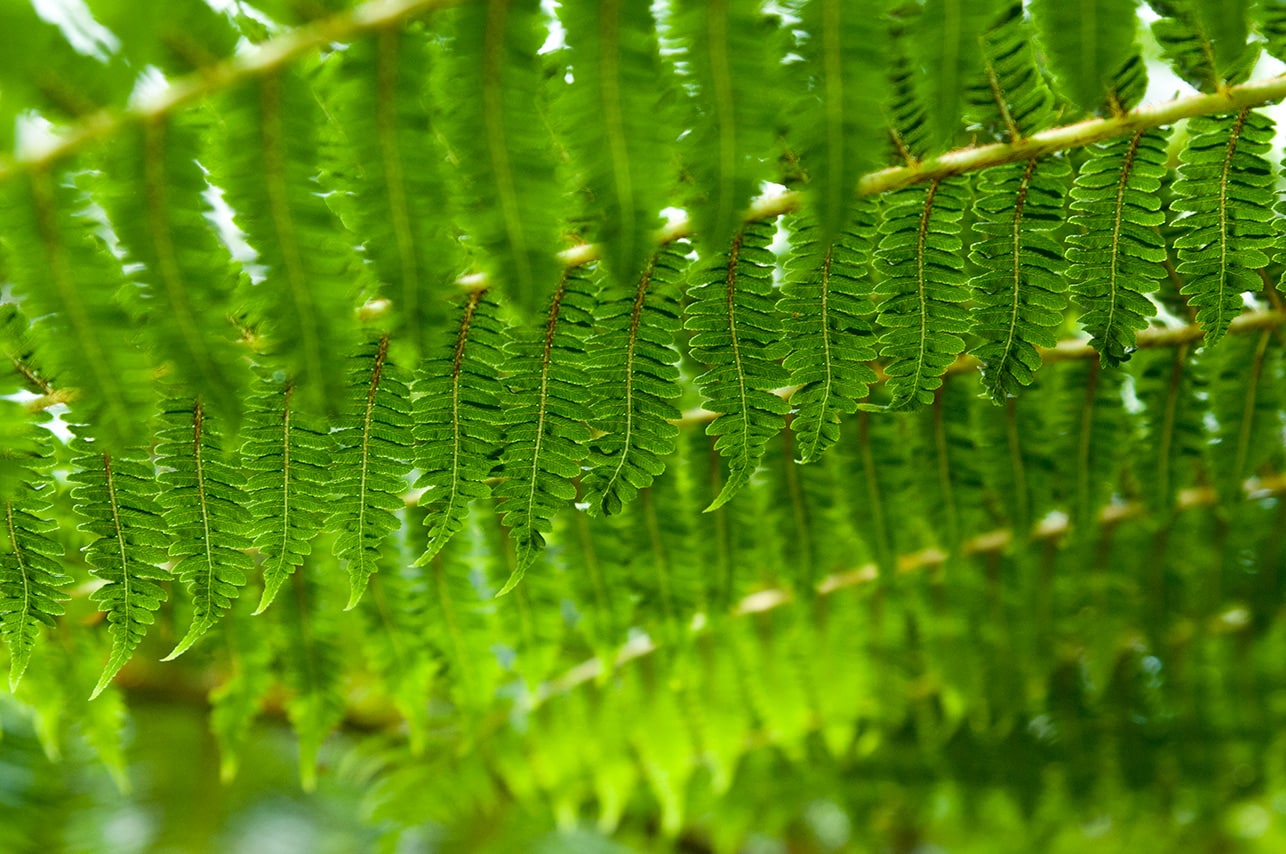
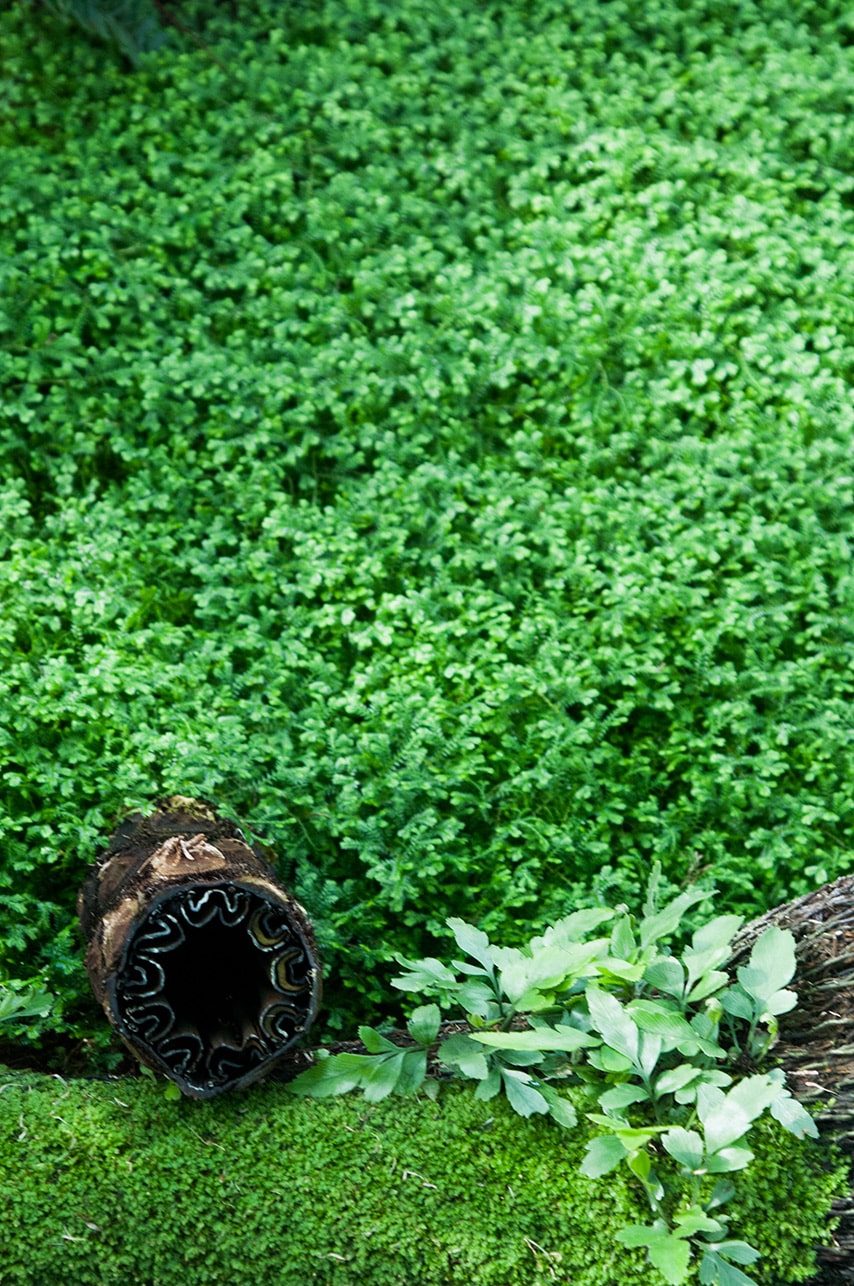
A glass door is separating this room with slightly cooler and more humid climate. Besides the fern trees, you will also find here a large specimen of Anthurium magnificum, some other members of Araceae family, an epiphyte wall, some bromeliads and even one living fossil – Wollemia nobilis. Until 1994 it was only known from fossils dated by 200 million years ago, when it was discovered in Wollemi national park in Australia. Being a conifer and related to pines it has cones, but its leaves are soft and flat.

Palm Hall
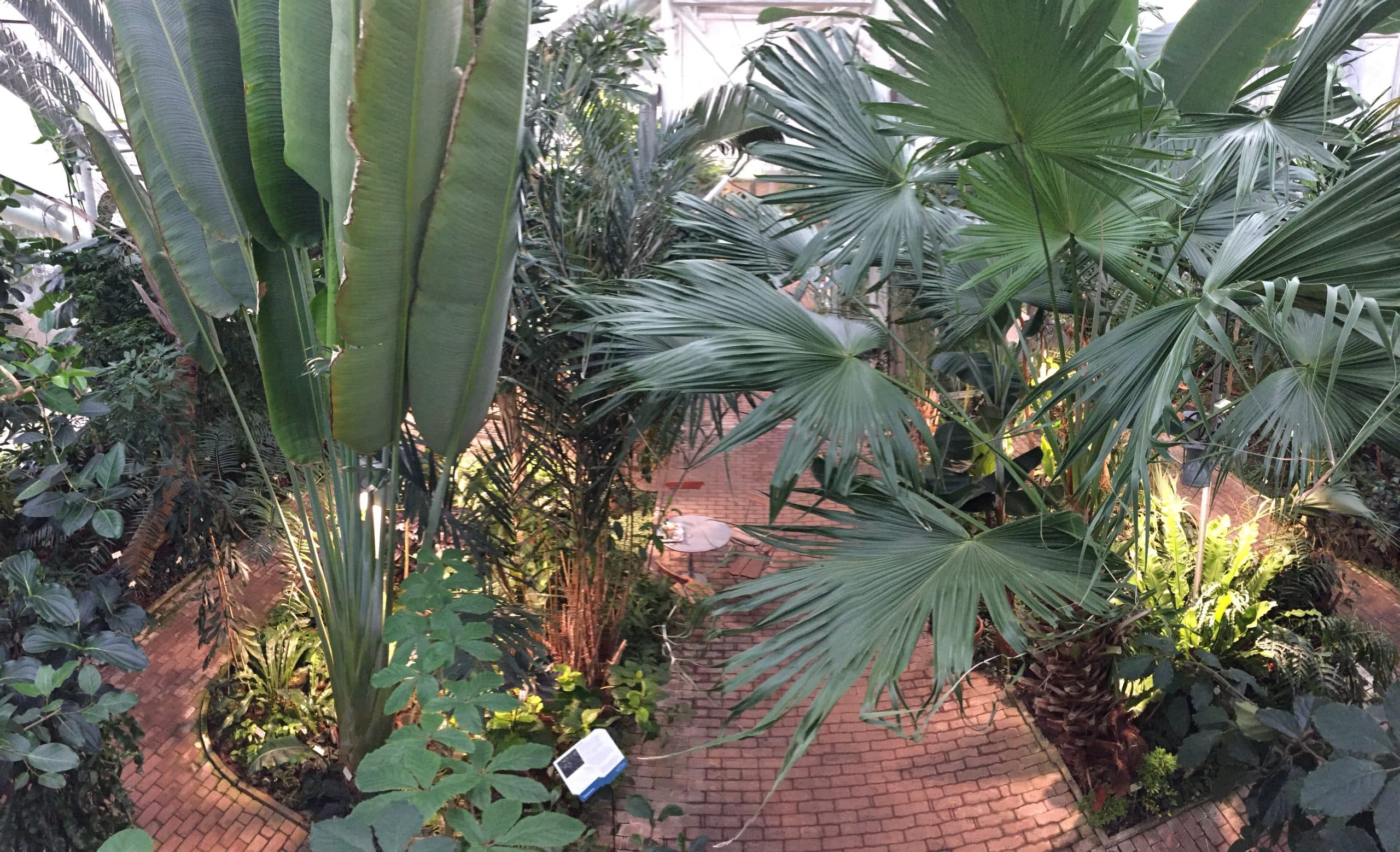
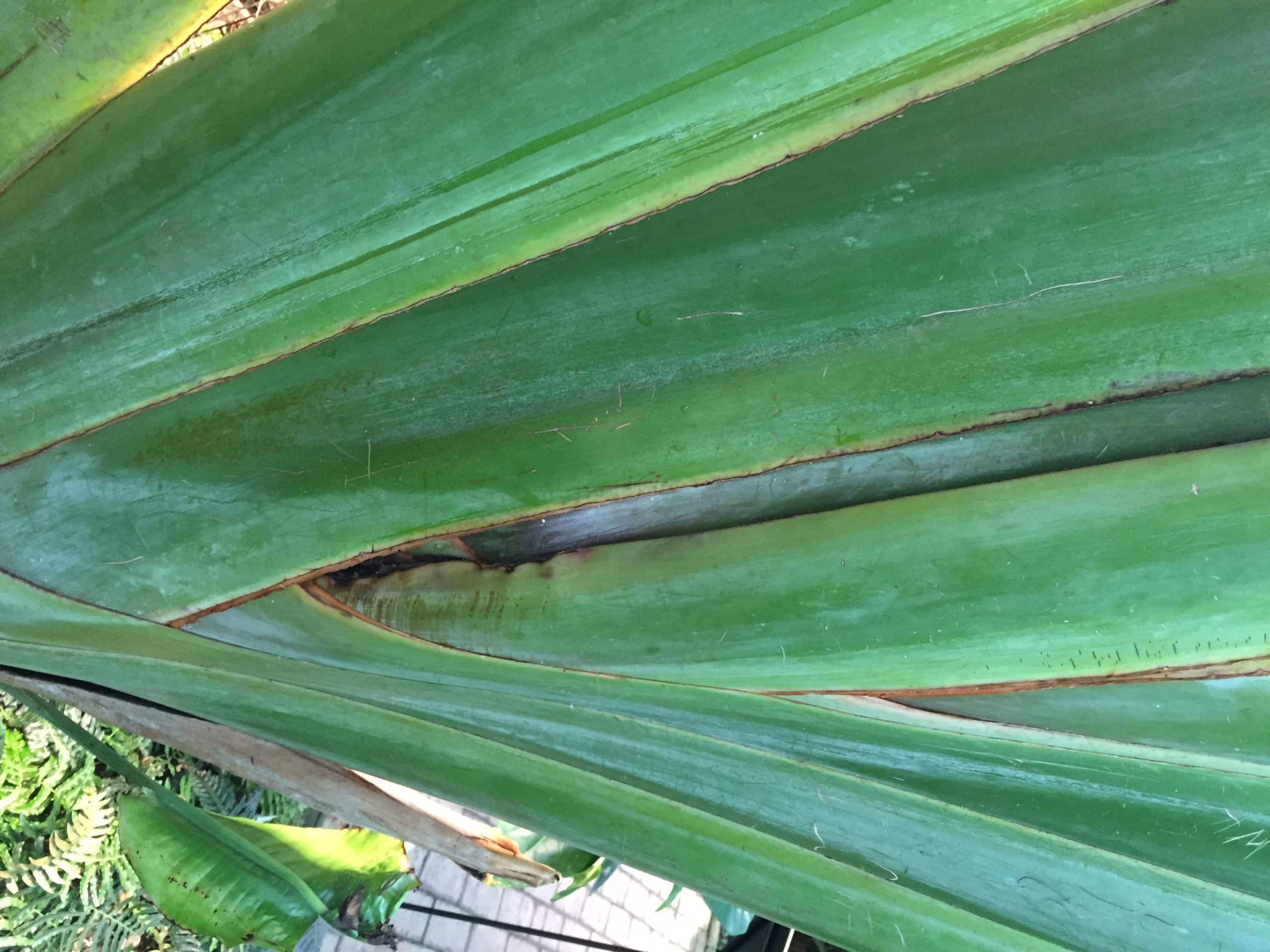
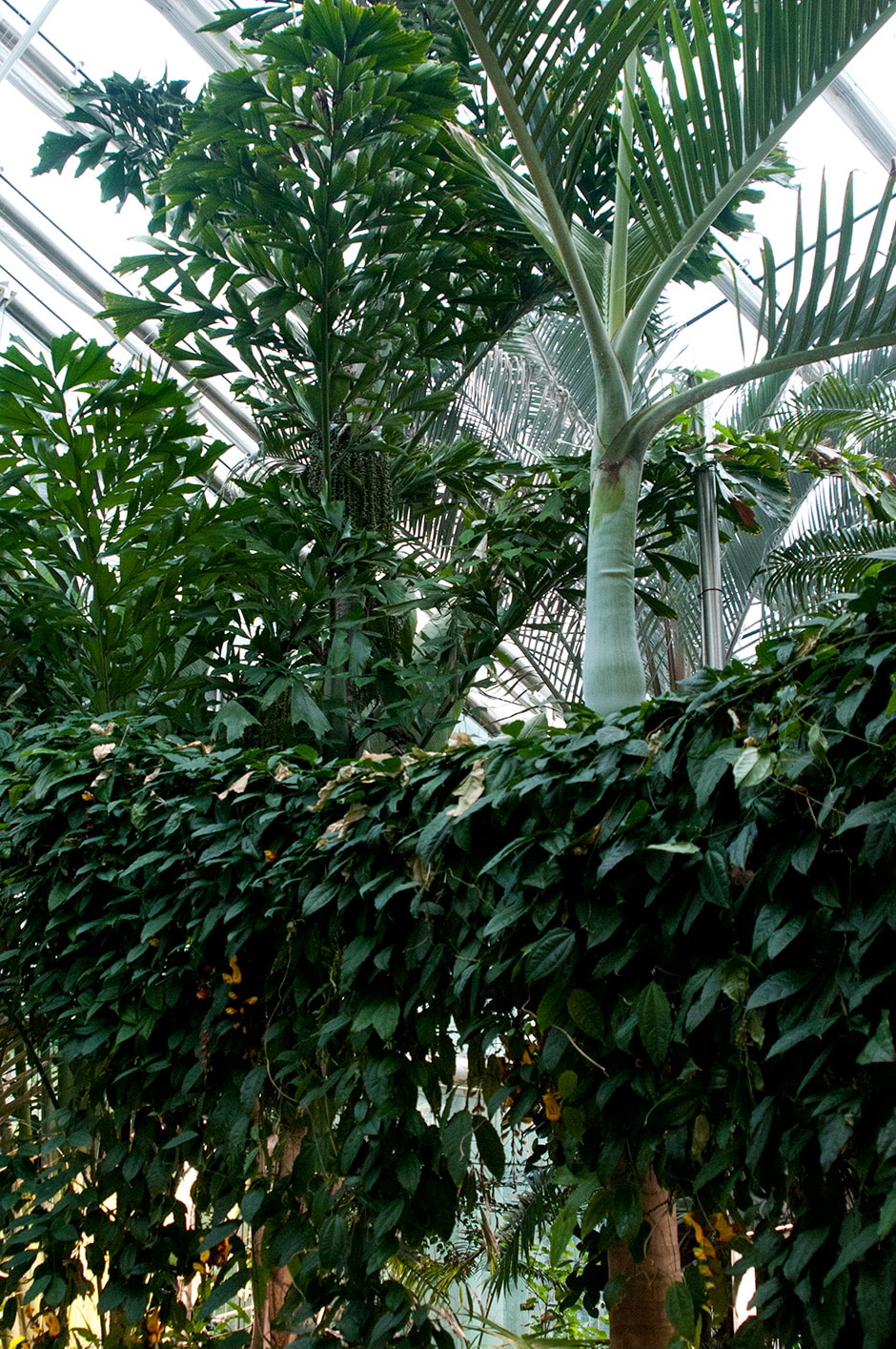
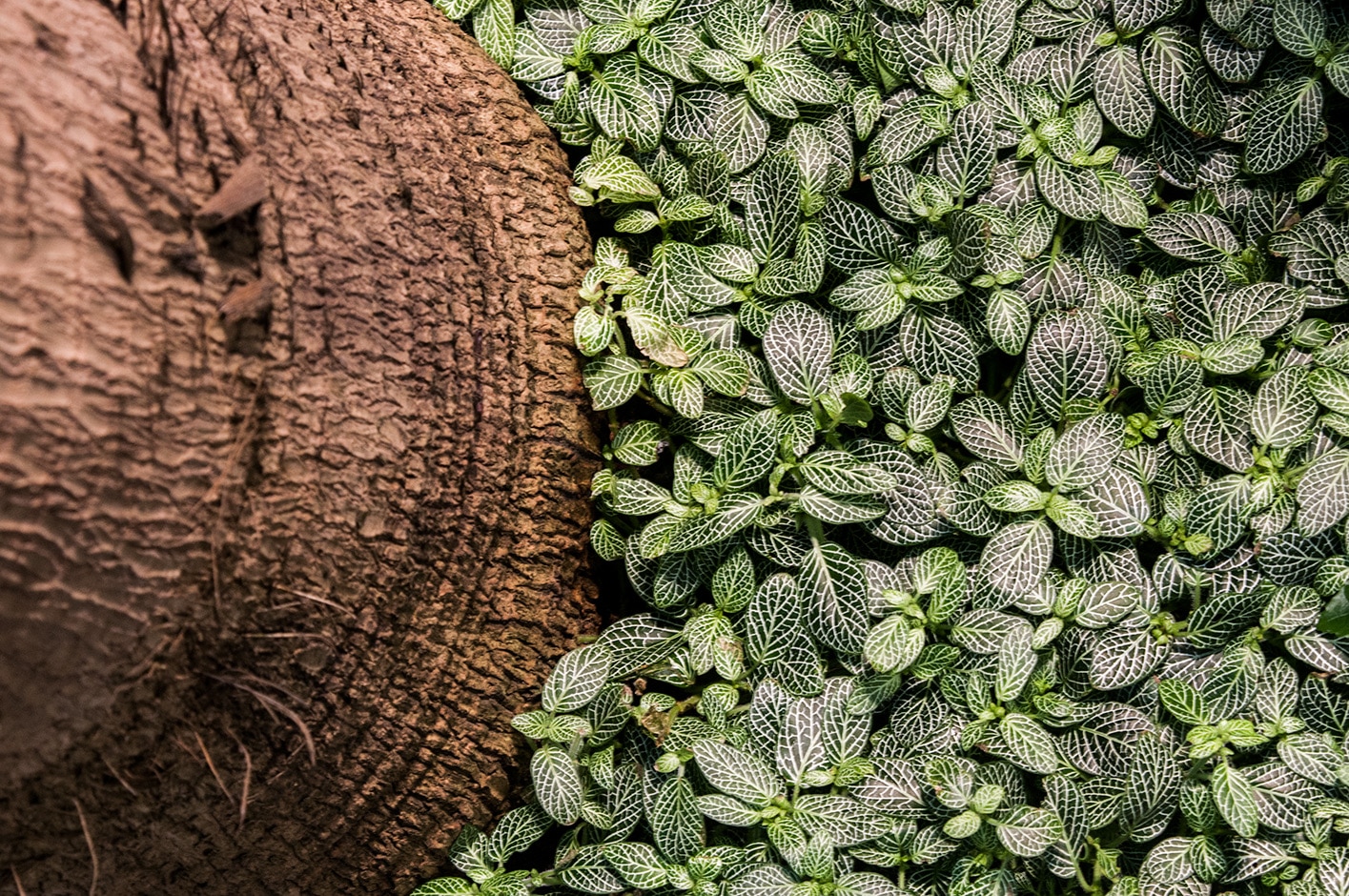
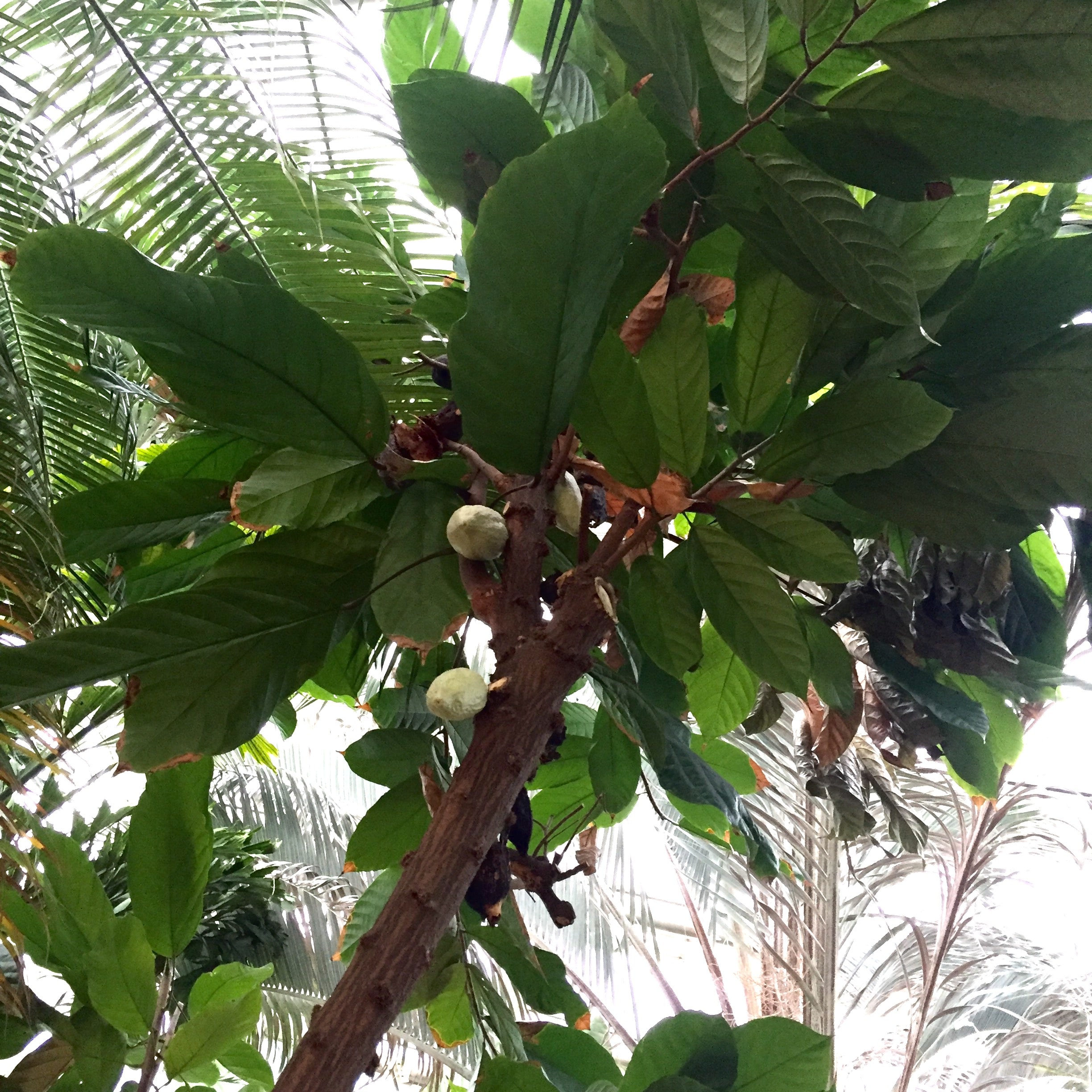
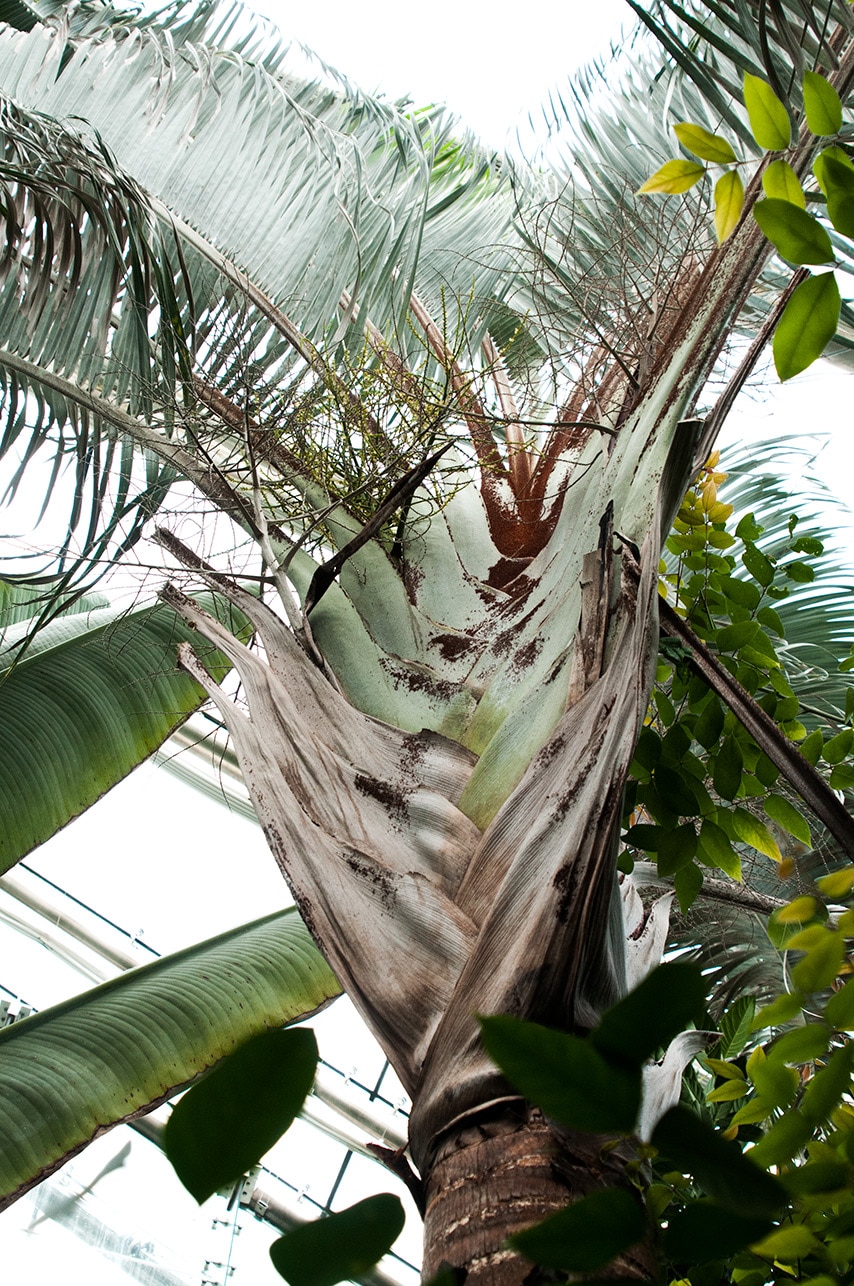
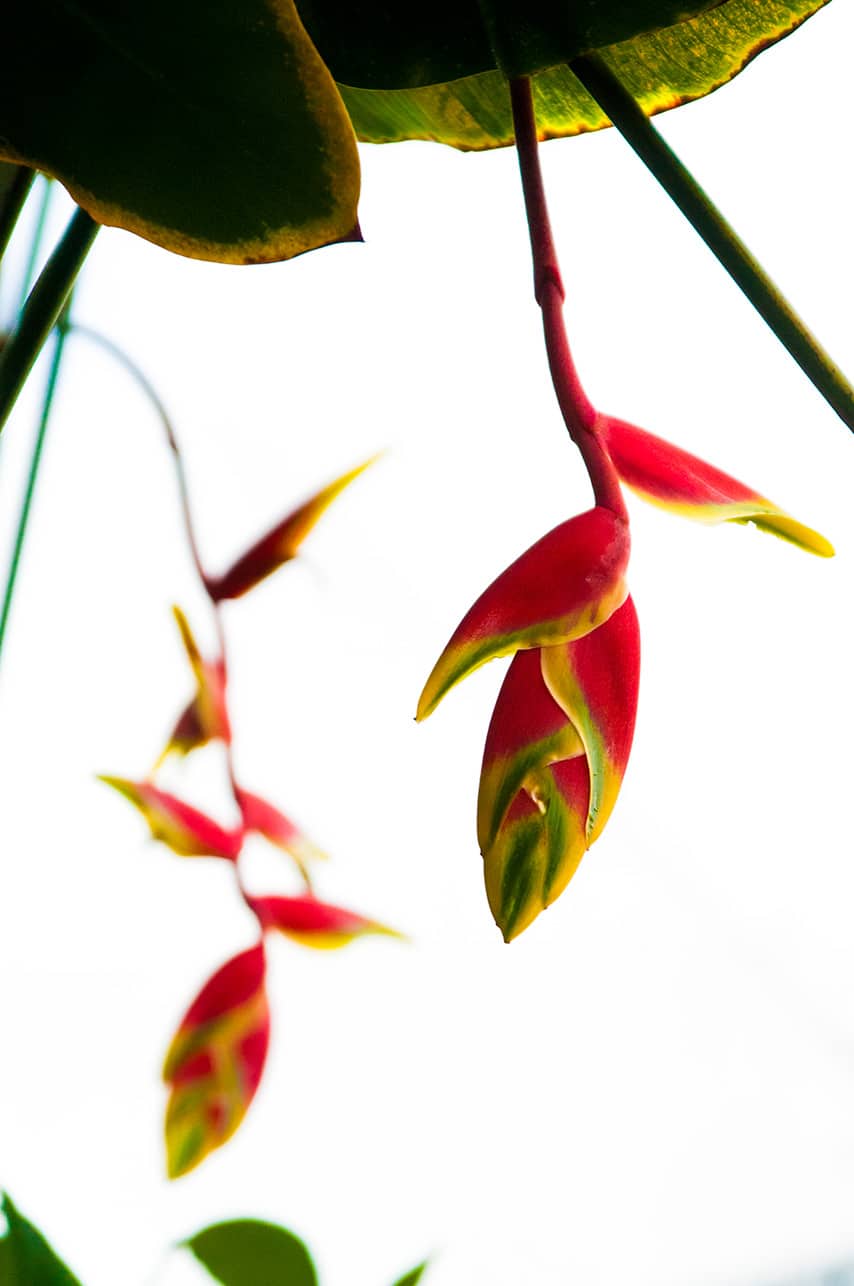
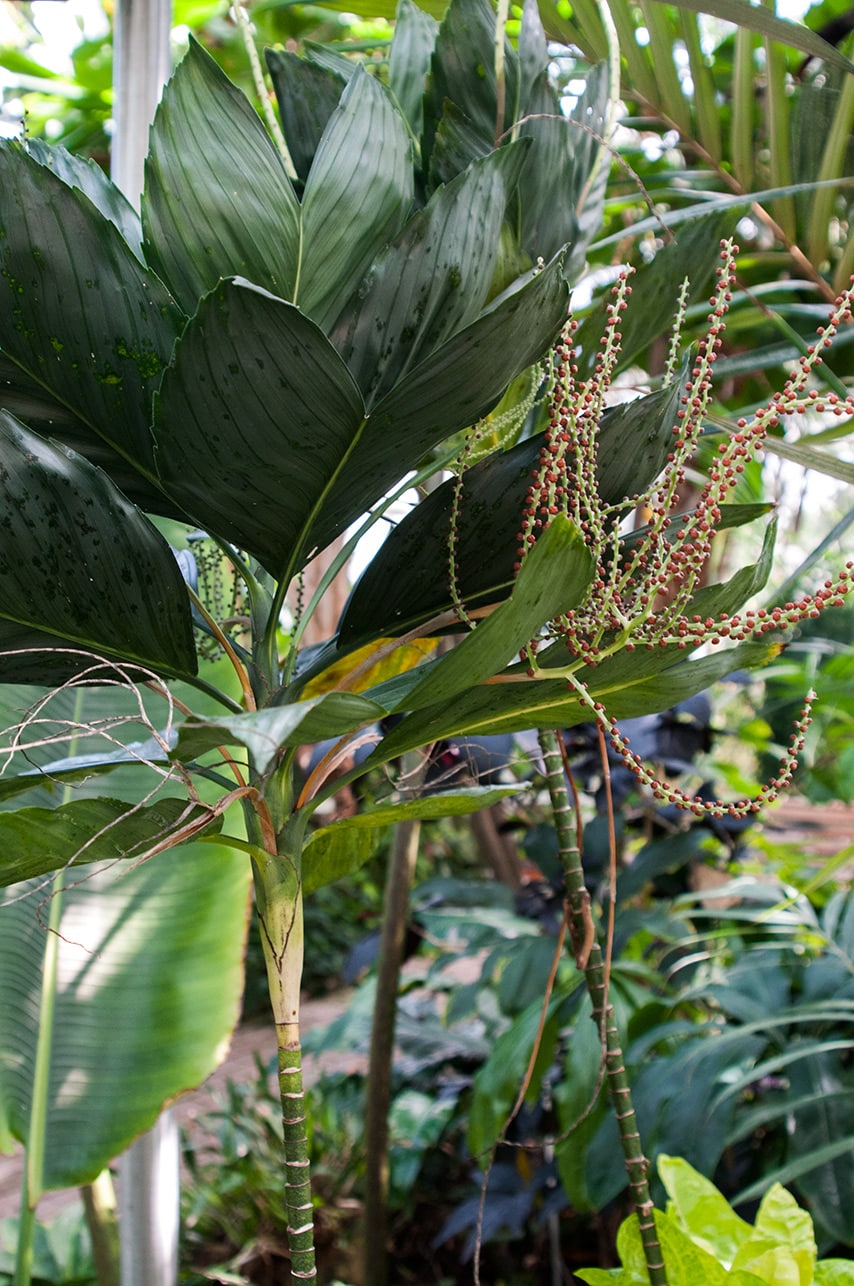
The part of the conservatory I spend the most time in. On rather limited space they manage to maintain a few most iconic tropical palms here, to name some: Fishtail and Bottle palm, a rare Triangle palm (Dypsis decaryi), a young Coconut palm. Among large plants there are also a couple of bananas – Musa × paradisiaca and Musa basjoo, as well as a Traveler’s tree (Ravenala madagascariensis). If I’m not mistaken, right now it is having a bulge between its fan shaped petiole sheaths. It means soon it will emerge a large flower similar to those of Strelitzia reginae (Bird of paradise), but much bigger and white instead of orange. On its native Madagascar, the flowers of Ravenala get pollinated not by insects, not even by birds, but by lemurs.


Tropical room
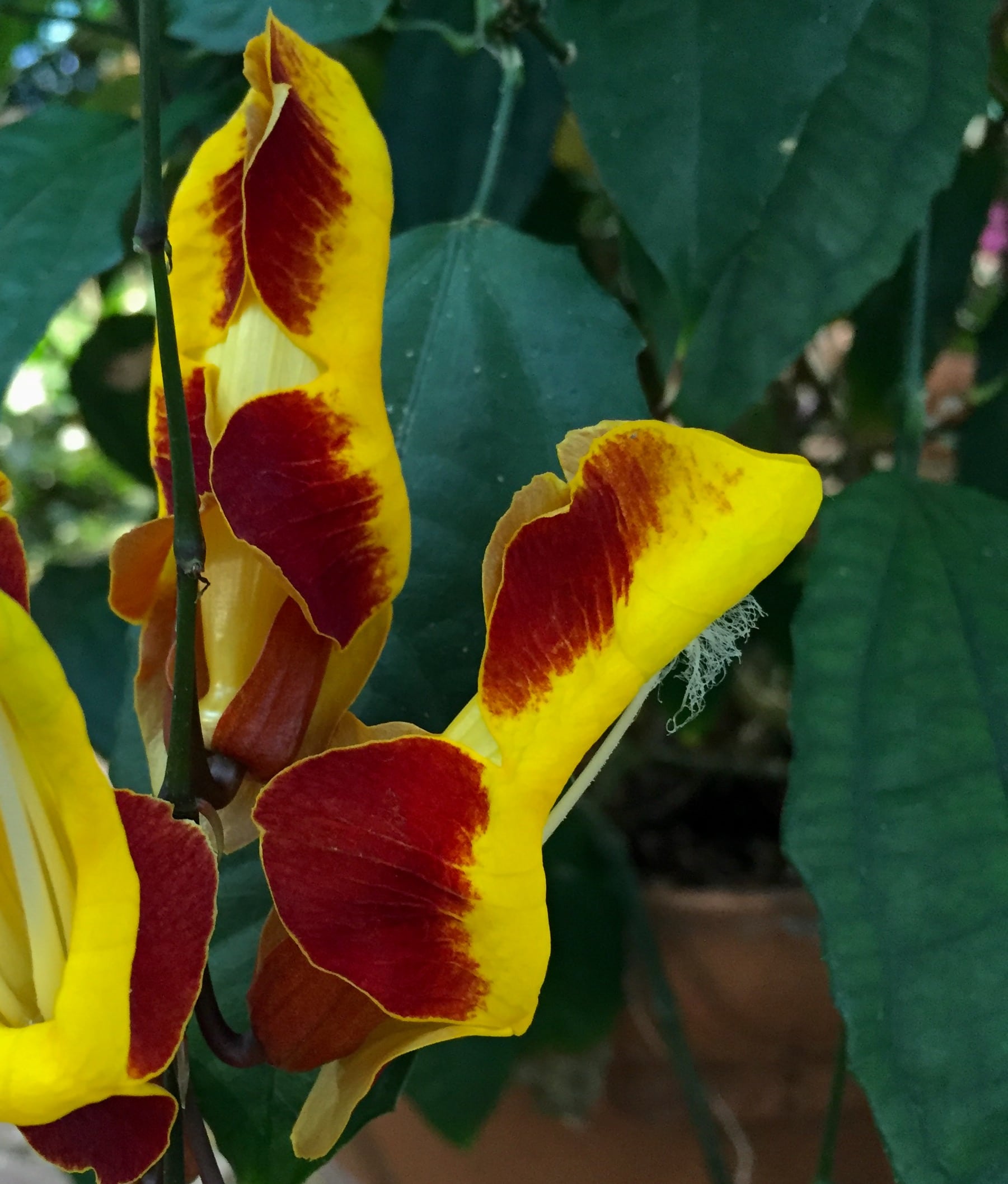
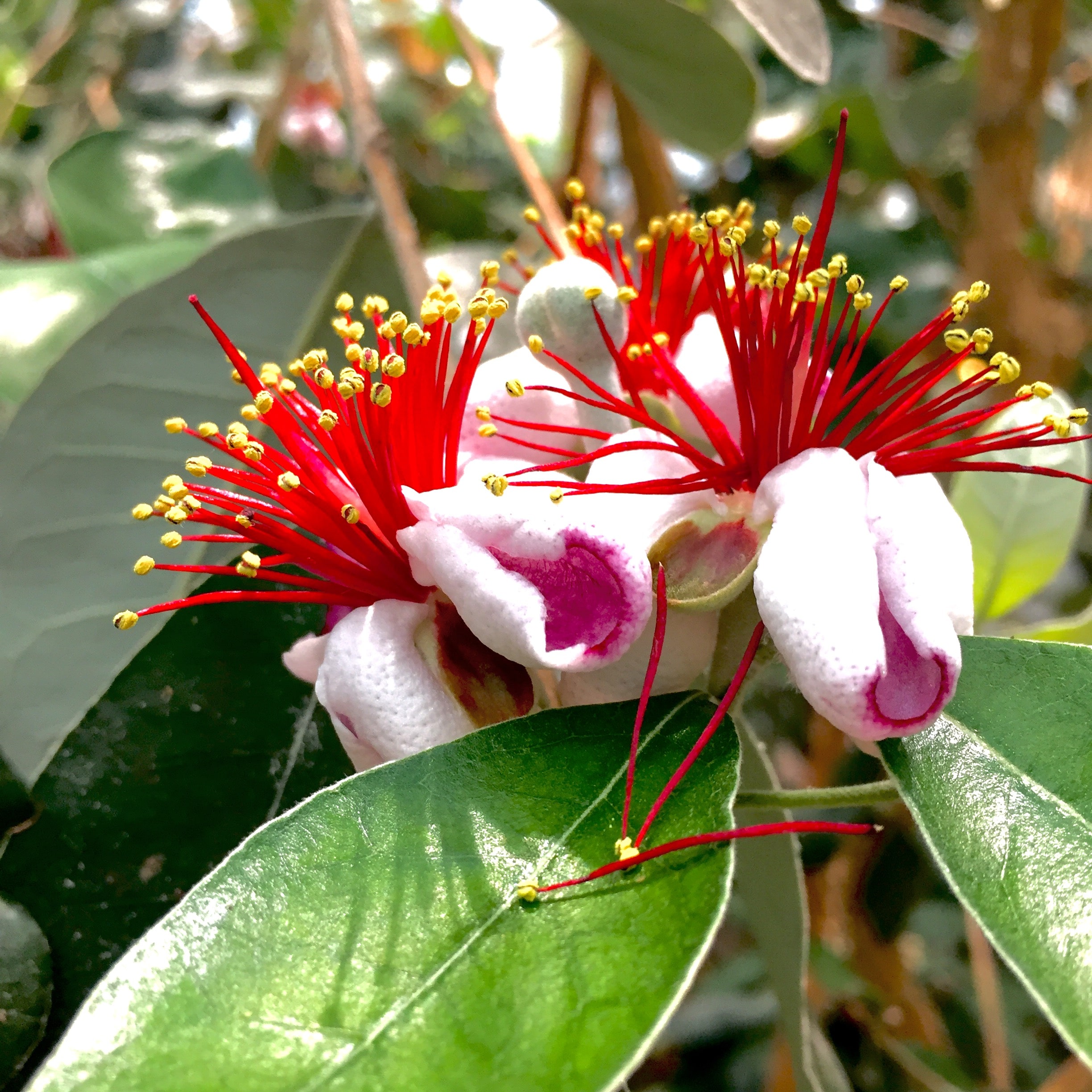
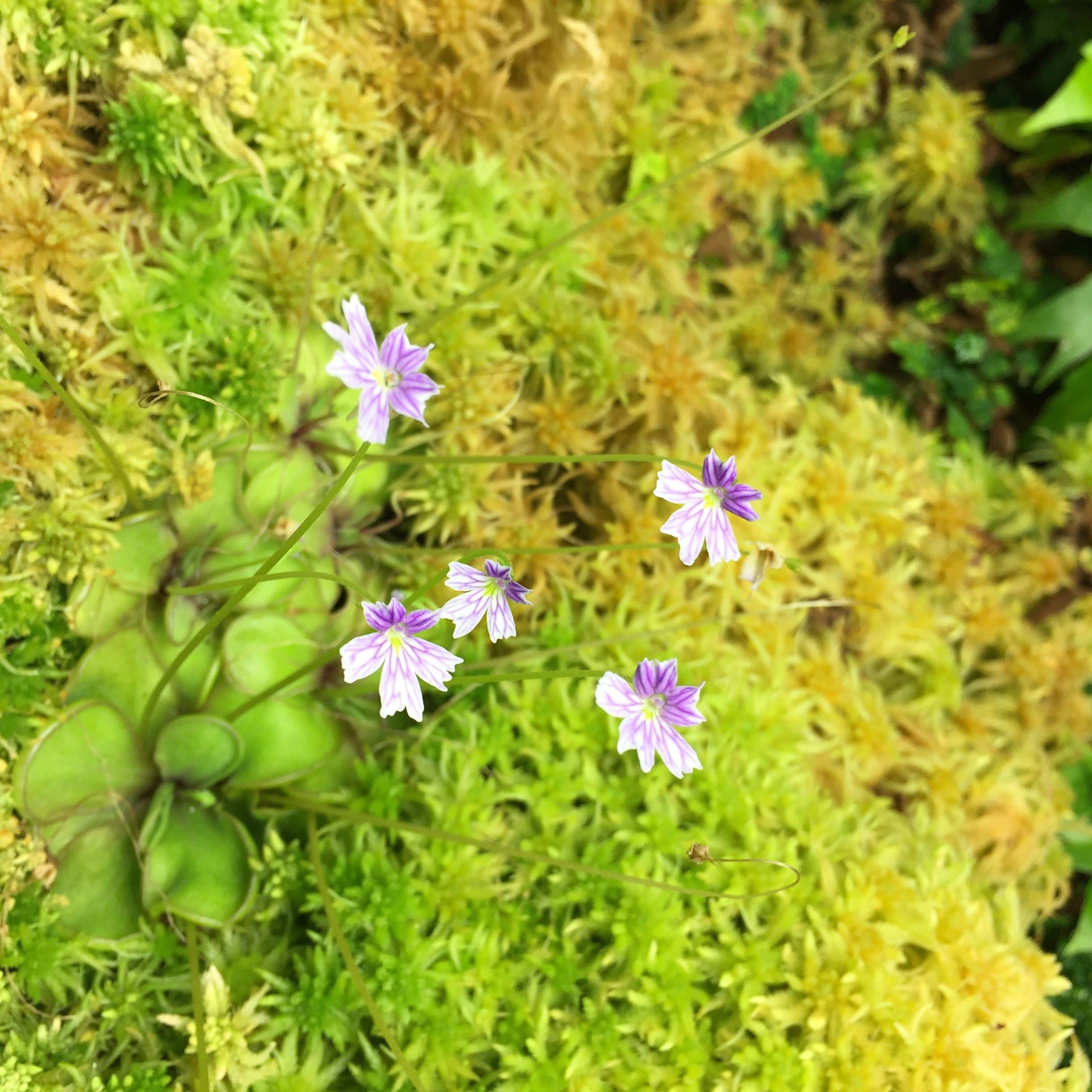
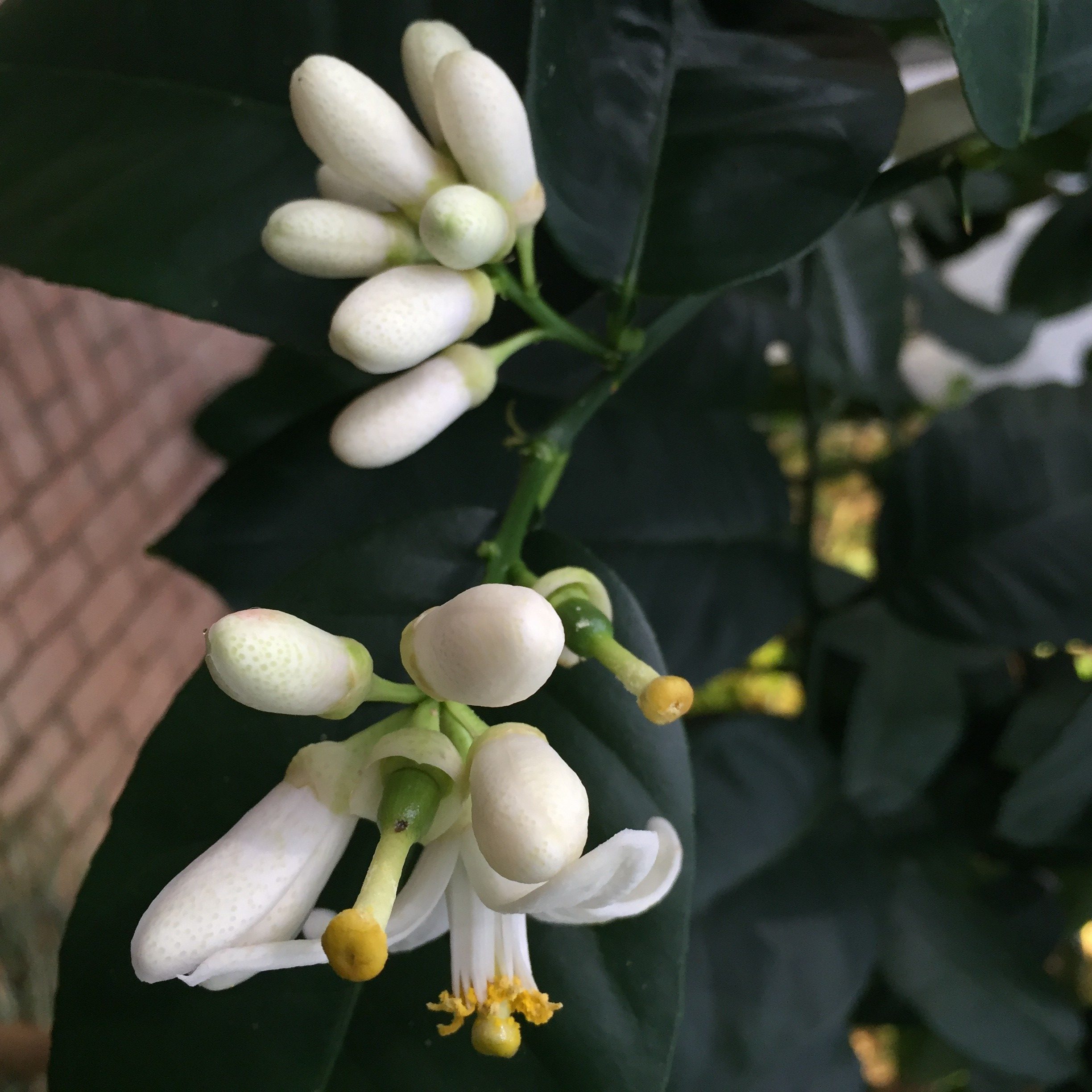
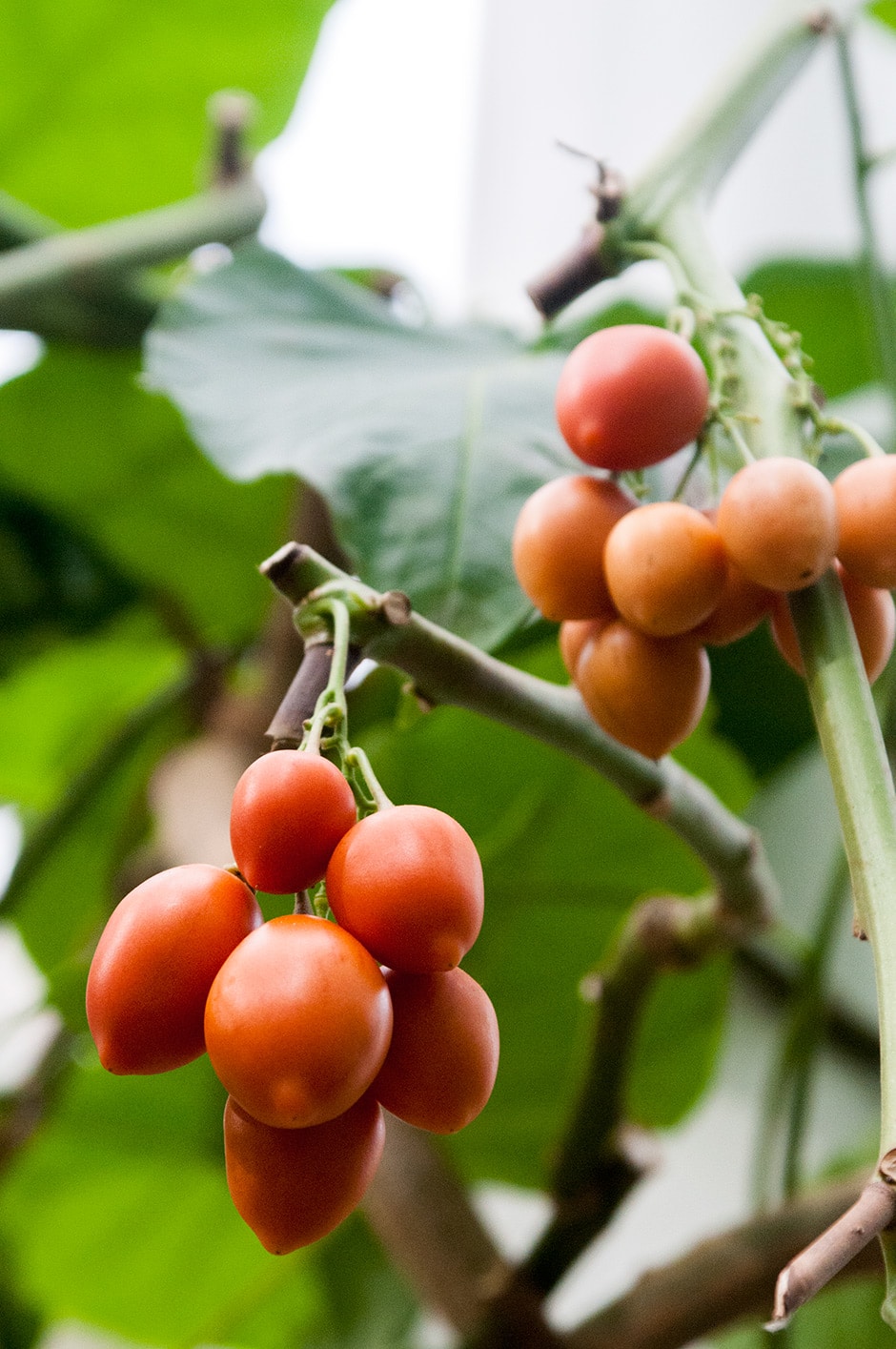
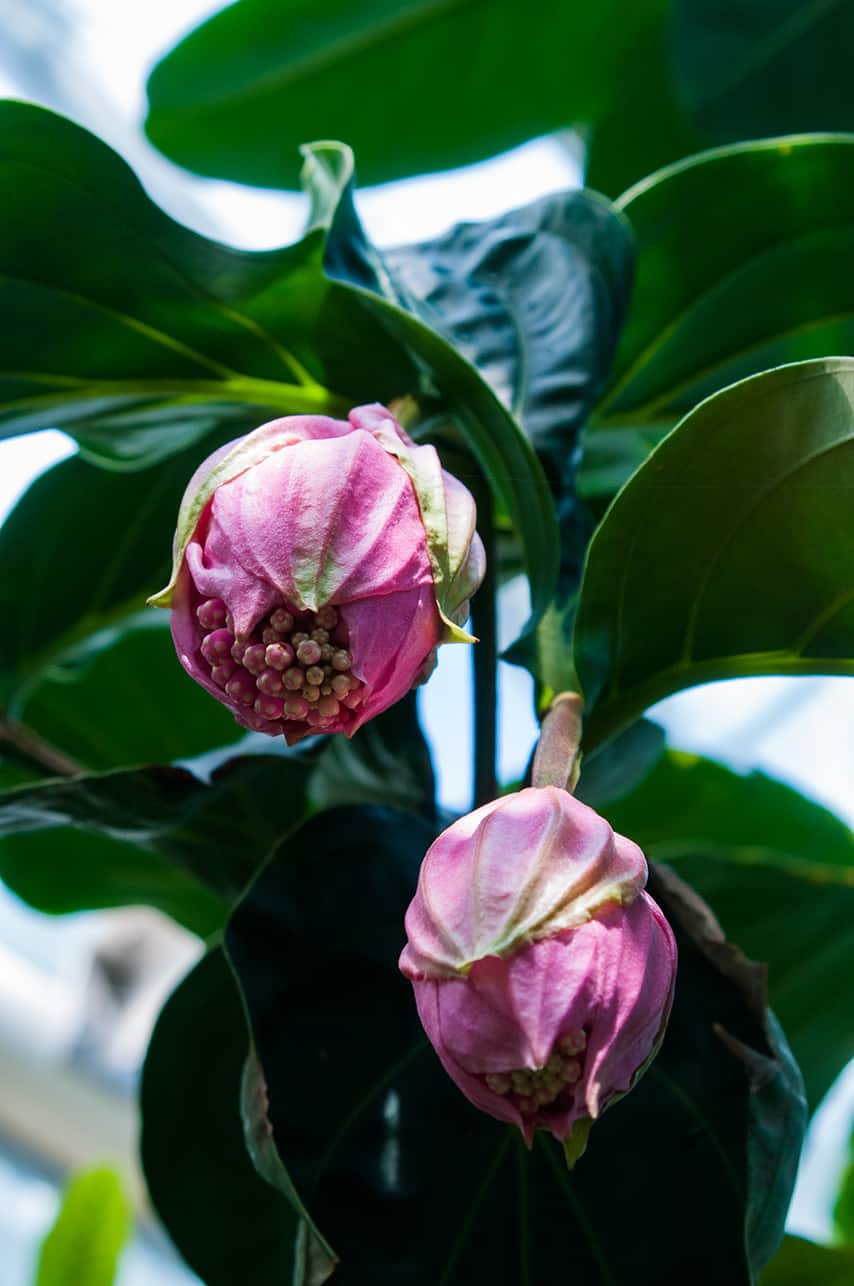
This room is more about flowers and fruits. A cool thing here, which is easy to miss if you don’t know what it is, Welwitschia mirabilis. Growing in scorching hot deserts of Angola and Namibia, this “tree” will never get higher than a foot over ground, it can get up to 2000 years old and during all its lifetime it will continuously grow just two leaves coming out on the opposite sides. Each of those two leaves can grow up to 4m (13’) long. Drying out on one end it grows out on another. The leaf can get spited in two or more stripes, but it’s still just one leaf on each side of the plant. More oddity about it is that Welwitschia is a conifer like pines and comes as male and female plants. Giving the harsh growing conditions, its population density is very low and so are the chances of male and female offspring meeting each other. So this plant is not just very rare, but probably the most remarkable on this planet.


California
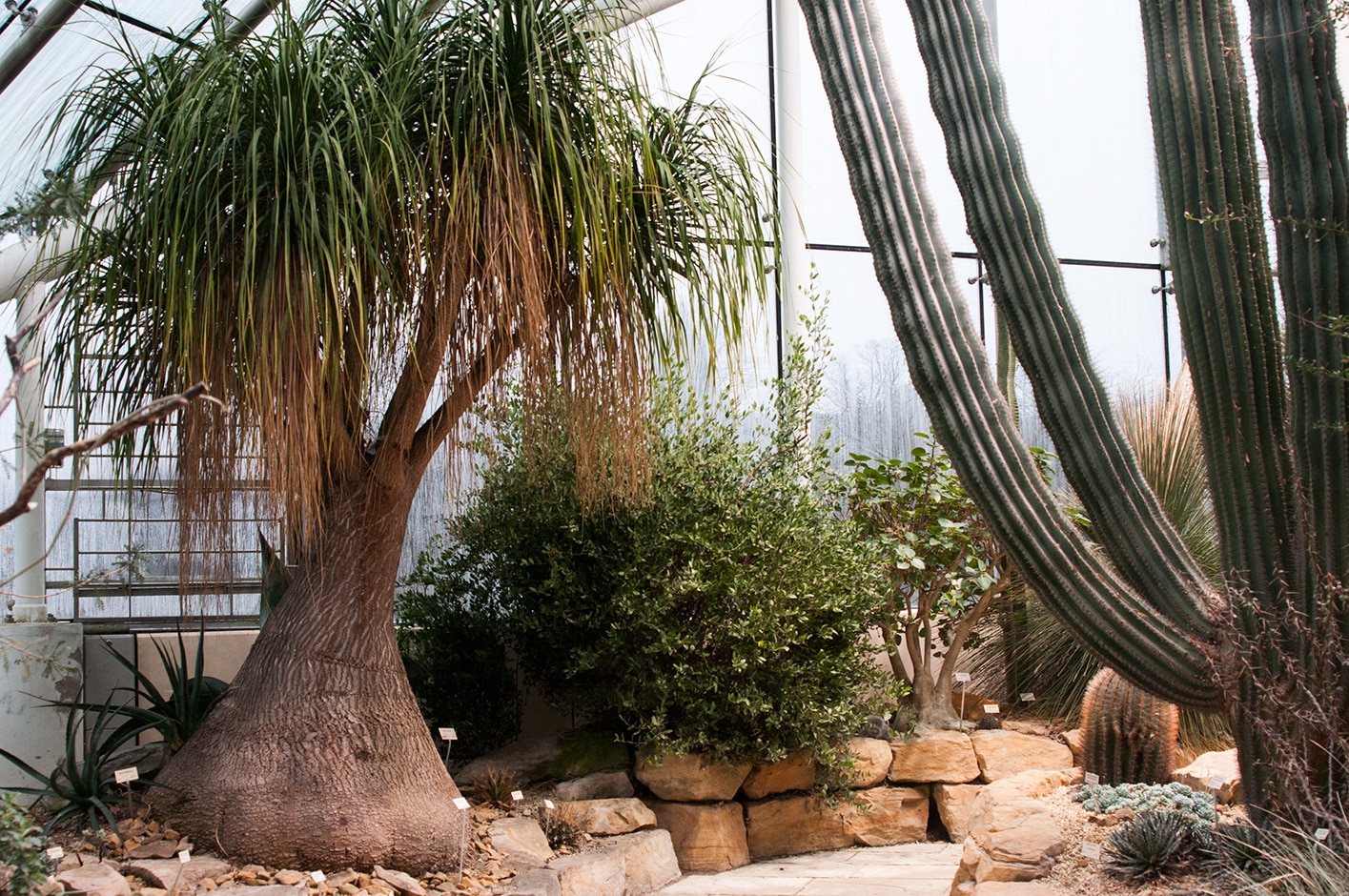
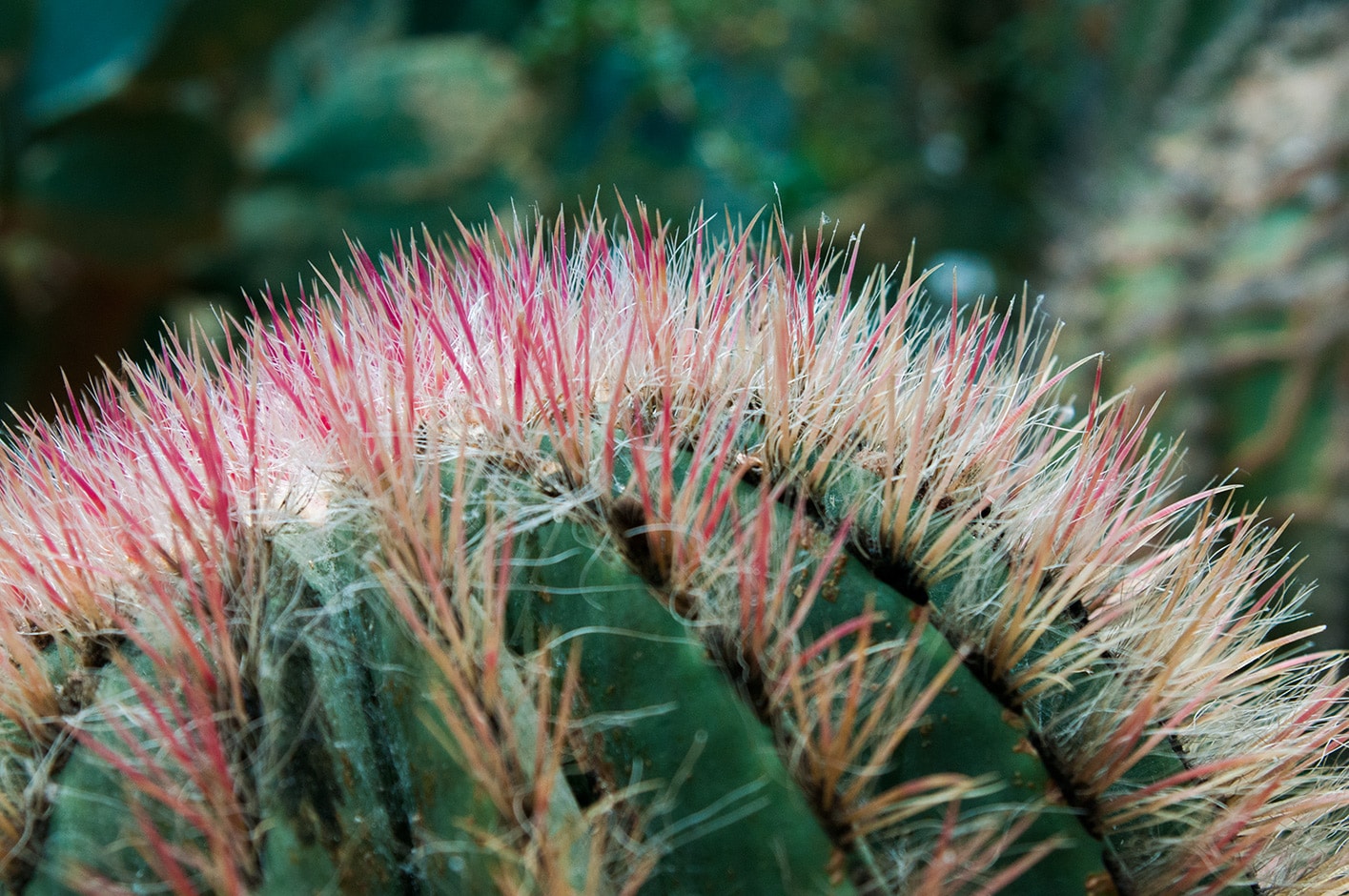
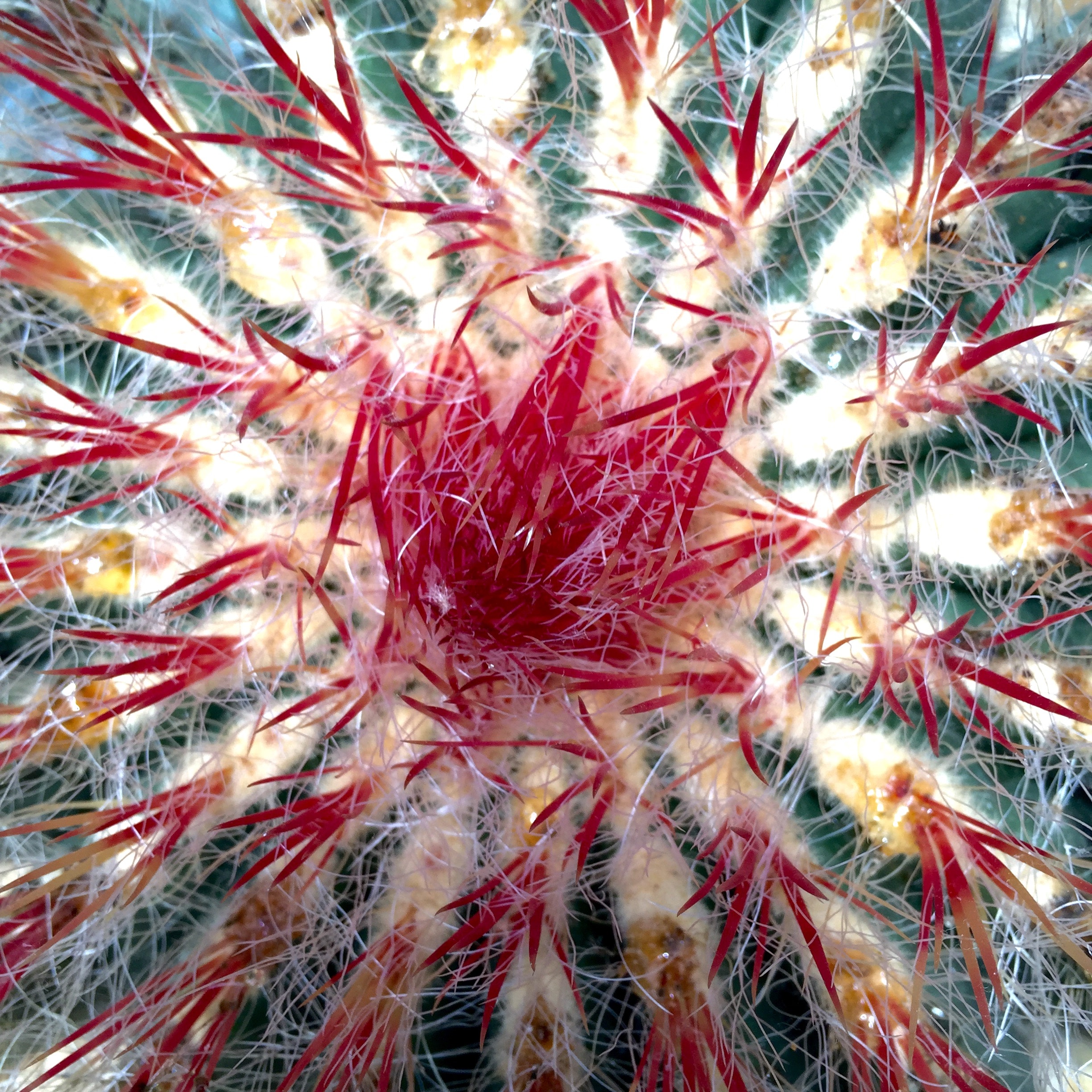
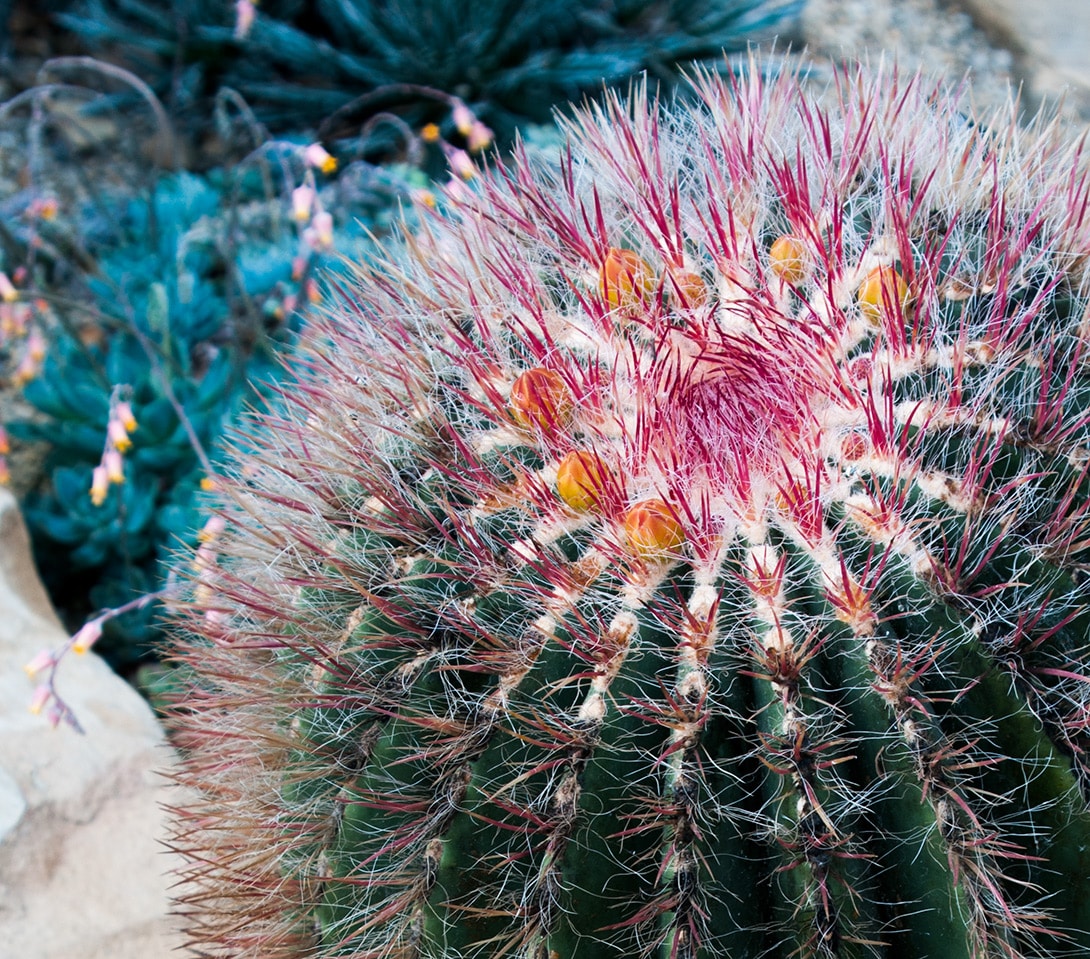
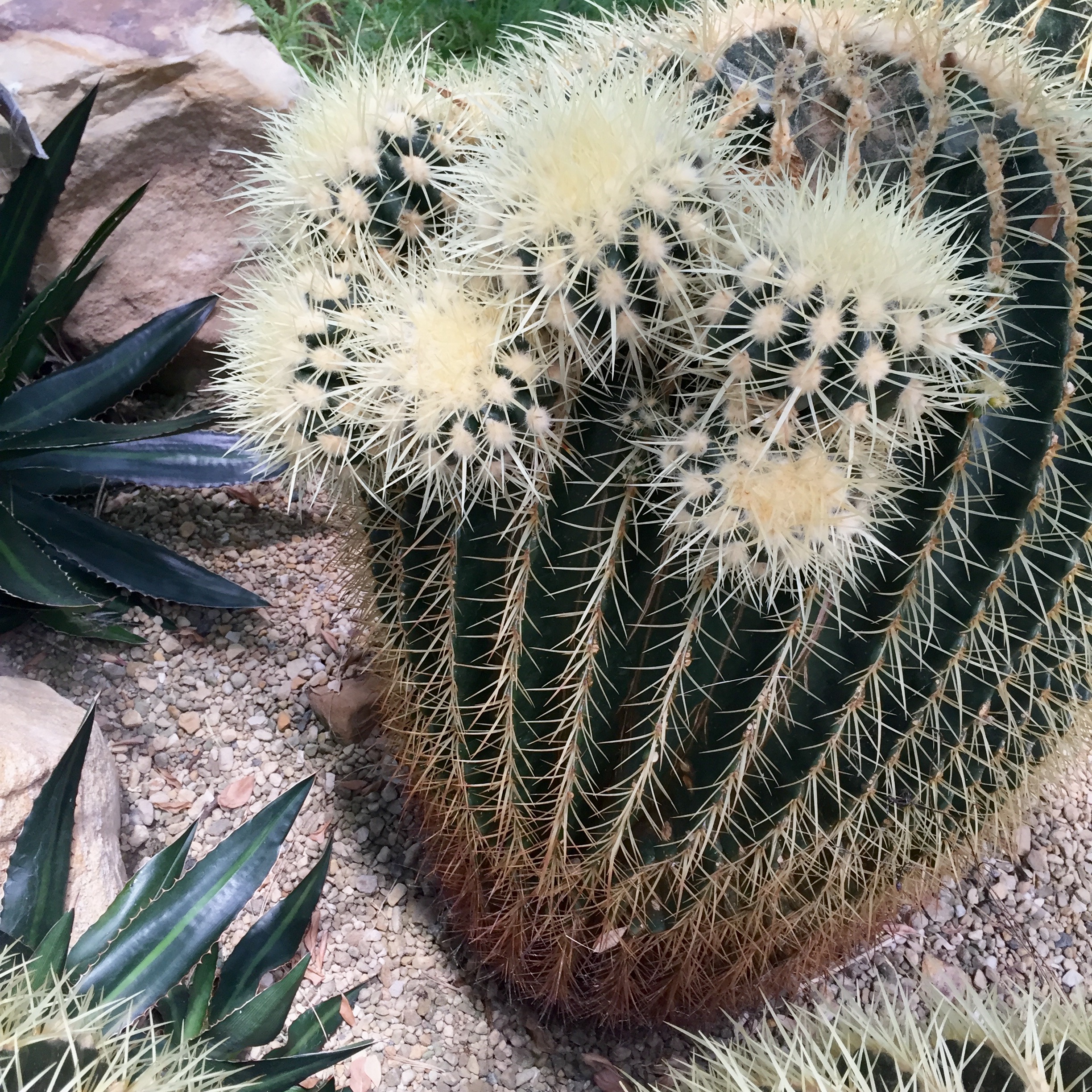
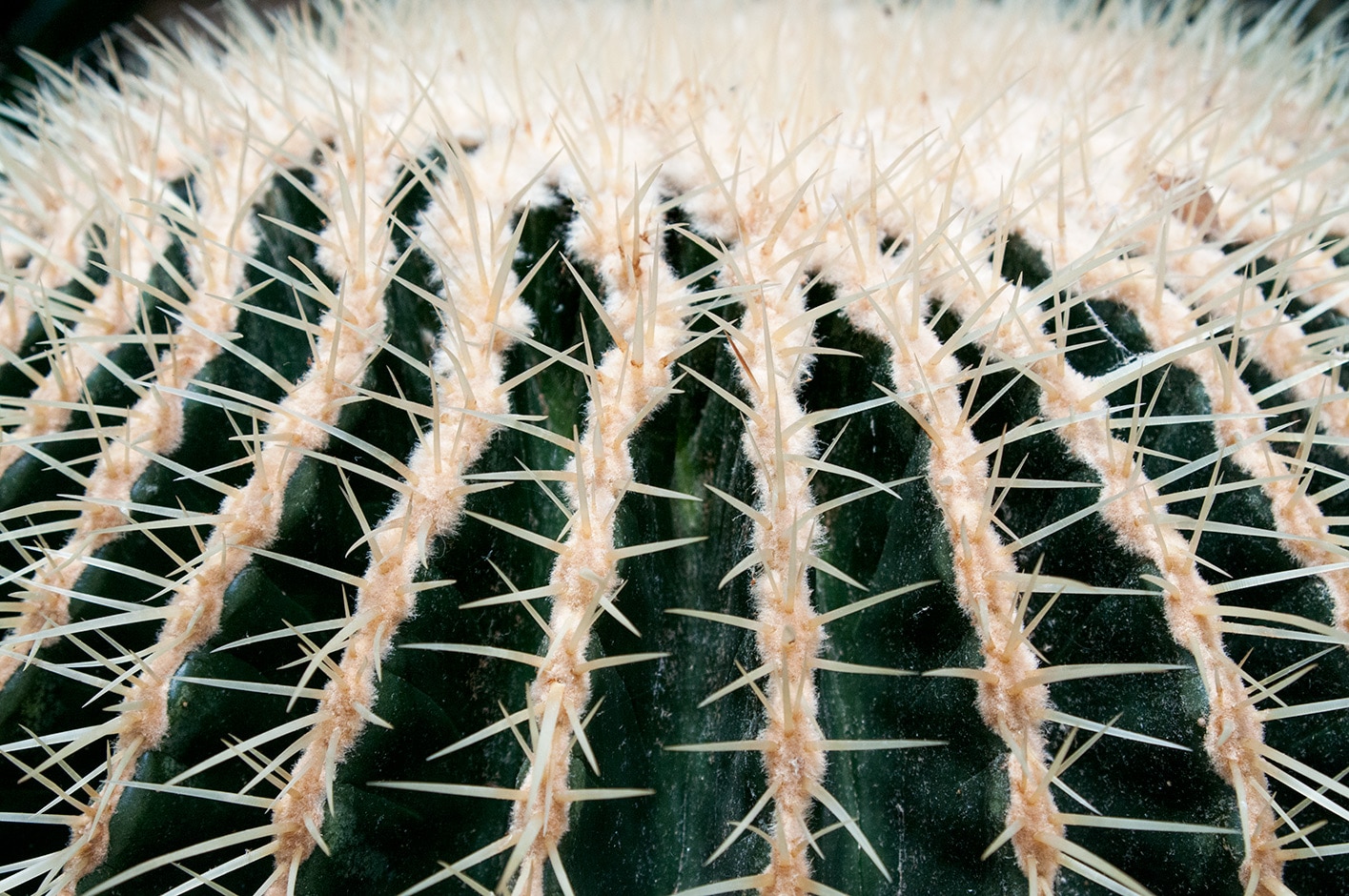
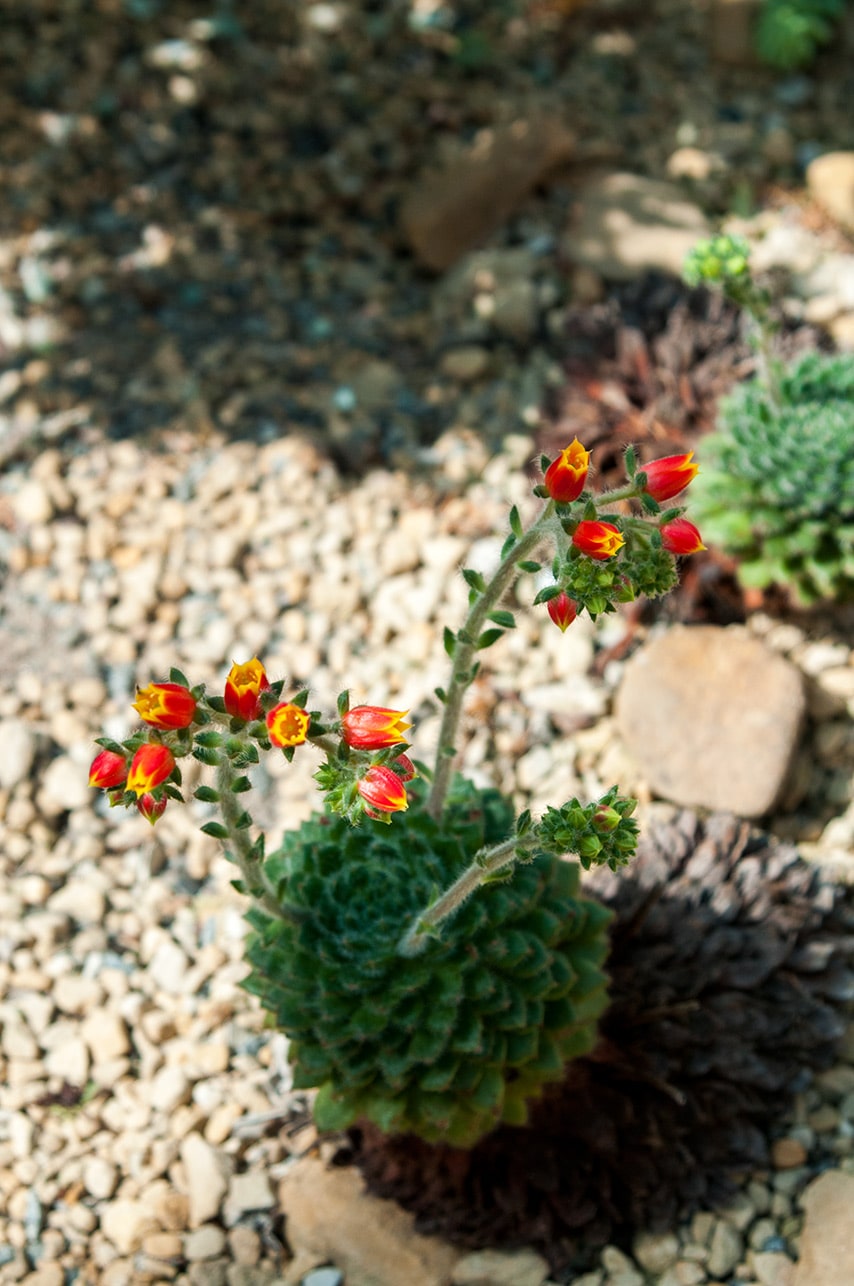
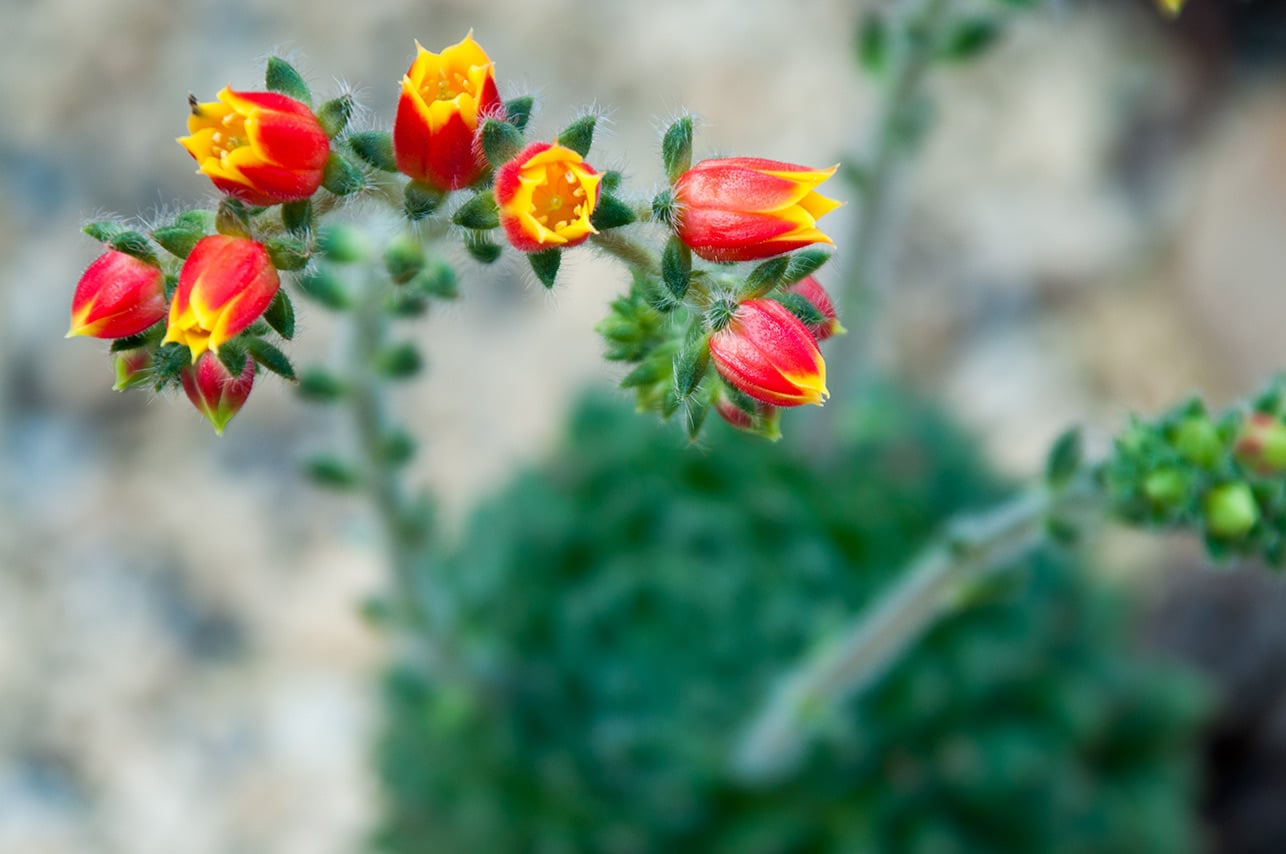
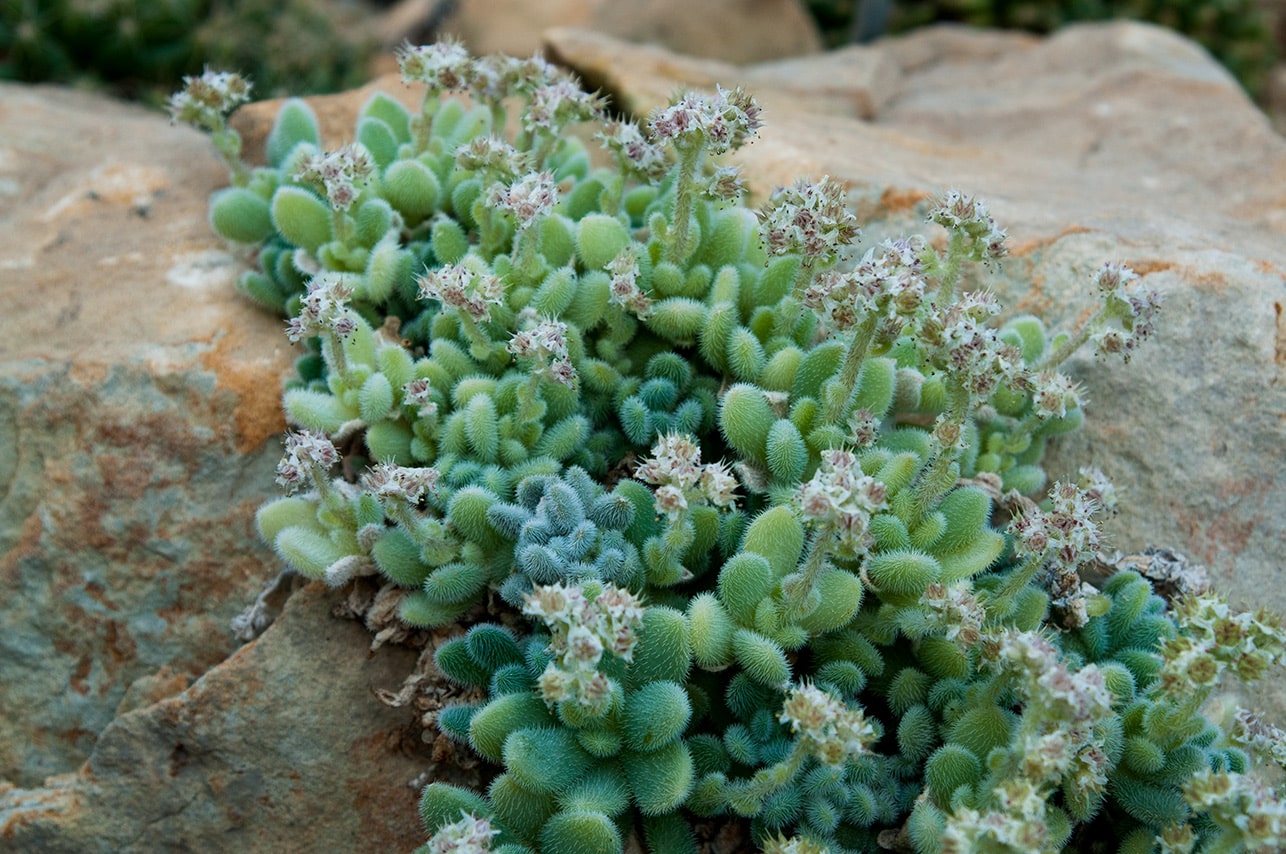
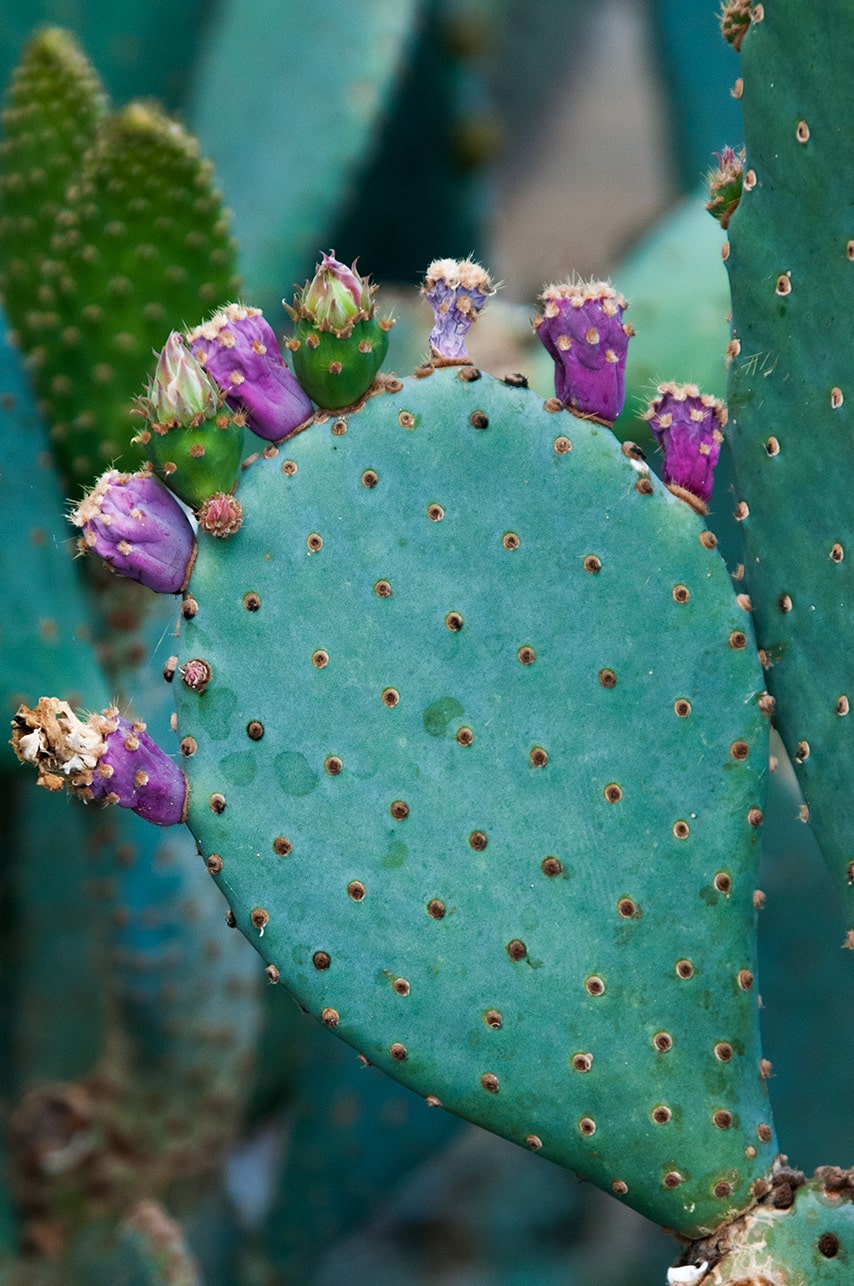
Never really been a fan of cacti or other desert plants I still enjoy some shapes and patterns they offer for photography.


Australia
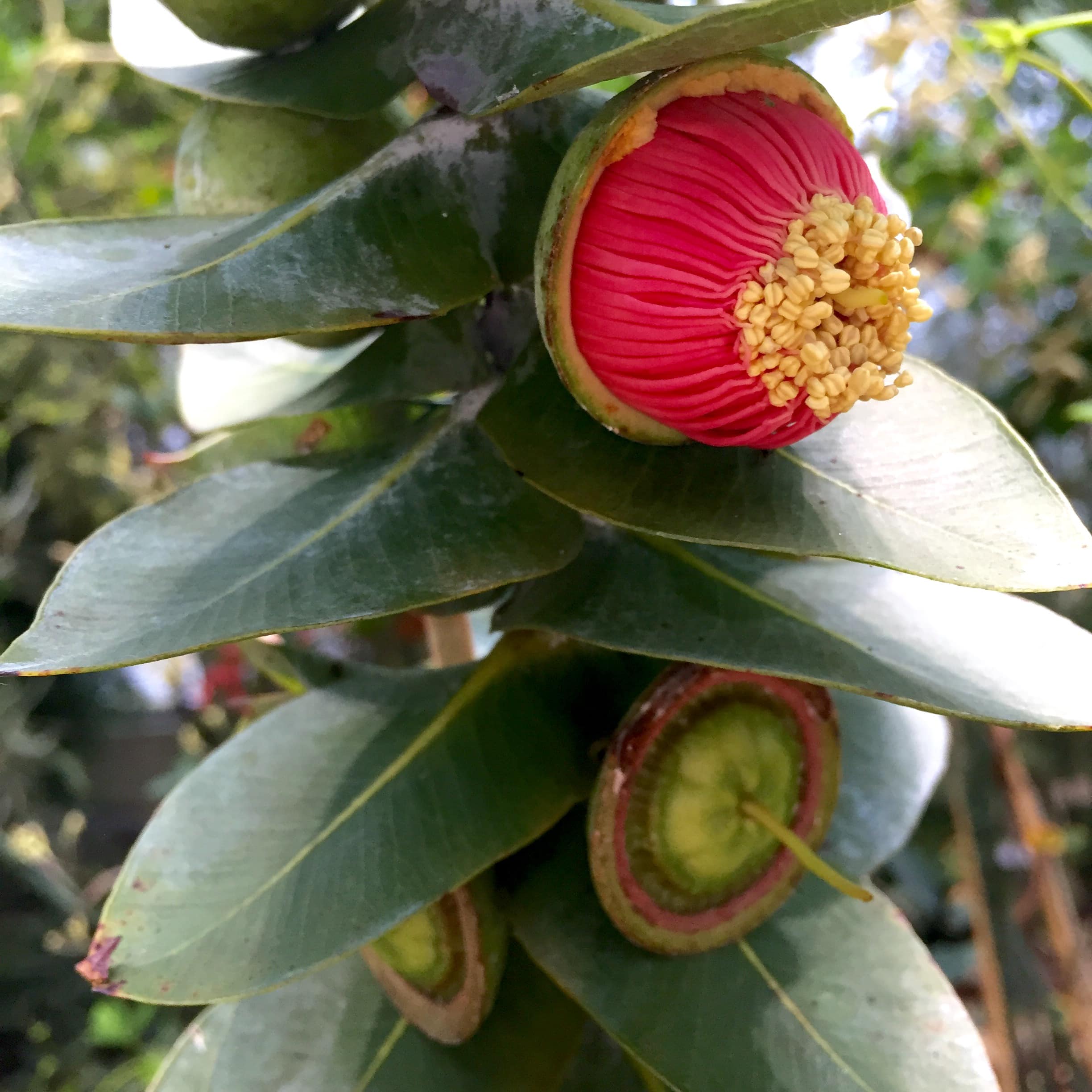
Australia feels like another planet in so many ways. The botany there is also very unique and in this room I always find some unusual plants.


Well outside, I’m glad I have one-year entrance. Sure I will be back soon. Especially having an expecting Ravenala madagascariensis to check on!
UPDATE: Added my first attempt of 360 degree VR video. The idea is to do them in greenhouses and botanical gardens I visit from now on.
Grow it yourself
Plants seen in this article — plus 220 more tropicals — are in the shop.


